
Agriculture is currently undergoing a fundamental transformation in India, with mechanization not only being available for large-scale farmers but also being adopted for small-scale and medium-scale farmers. As a result of this change, there has been an unprecedented opportunity to start an agricultural equipment dealership, particularly for those interested in establishing a B2B-oriented business model related to long-term distribution and servicing of equipment.
Let us look at how the agricultural equipment dealership opportunity appears and what you need to consider before entering this area.
Reasons for Increased Demand for Agricultural Equipment
The growth in demand for agricultural and farming equipment in India is a result of several key factors such as variability in the availability of labour, increased costs of inputs, and pressure on farmers to improve yield from limited area. The use of mechanized equipment can provide solutions for all three of these issues.
Equipment such as tractors, tillers, harvesters and other farming machinery are now viewed as essential business assets by farmers, not simply as optional enhancements. As the demand for agricultural and farming equipment continues to rise steadily, this presents an excellent opportunity to build a solid foundation for a dealership in agricultural equipment, especially in locations that offer ideal crop cycle conditions and good irrigation systems.
Role of an Agricultural Equipment Dealership
An agricultural equipment dealership is the link between equipment manufacturers and farmers. As an agricultural equipment dealer, your responsibilities includes providing the manufacturing company with the ability to sell and distribute its products, providing after-sales service, maintaining adequate spare parts inventory, and coordinating the servicing of customer equipment.
In a B2B environment, the dealership will also provide manufacturers assistance with inventory management, demand forecasting for regional consumables, and establishing selling and service performance standards. This structure allows producers to efficiently expand their production and provides dealers with opportunities to create sustainable local businesses.
Tractors are the Main Product
Although there are many different types of agricultural and farming equipment, tractors are still the primary product. Other types of equipment and machinery are either mounted on tractors or depend on tractors for operation. As a result, tractor dealers are typically the foundation of the agricultural equipment industry.
When new dealers enter the agricultural equipment industry, being a tractor dealer is typically the easiest way to enter the equipment industry overall. Once the tractor sales and servicing become stable for these dealers, it becomes easier and more profitable to add additional implements and attachments.
Investments and Infrastructure
When starting a new agricultural equipment dealership, the dealer needs to have clear plans regarding the dealership’s infrastructure and working capital. This includes the dealer having a showroom/display area, service facility, trained technicians, spare parts inventory, and demonstration units.
The amount of investment that a dealer will need to make is based on the territory size, the range of products sold, and the expectations of the manufacturer. Dealers that focus on selling only tractors generally require a greater amount of capital to start their business due to larger than normal inventory requirements; however, tractor dealerships can also provide greater long-term volume stability compared to smaller segments of the equipment industry.
Importance of Service After the Sale
In the agriculture and farming equipment industry, service quality has a direct impact on brand trust and repeat sales. Farmers rely on their machines during narrow operational windows. When service is delayed, the result may be loss of crops.
Tractor dealerships that perform well typically have invested in service capabilities early in their business. A comprehensive approach that includes well-trained technicians, enough spare parts, and reliable field service causes a cumulative effect over time; therefore, improved service performance will result in reduced consumer acquisition costs through word of mouth being a strong sales driver.
Financing and Credit Support
The availability of financing is a primary requirement in the purchasing of agricultural equipment. Most of the rural customer base will rely on banks, non-banking financial companies and government sponsored financing programs to purchase agricultural equipment. Any agricultural equipment dealership that understands this financing process will be able to gain a significant advantage over its competition.
The ability of a dealership to be efficient in the financing portion of its operations will help protect its cash flow. Delayed documentation, approvals, or misunderstandings of the financing process can increase the operating costs of holding the equipment and disrupt the natural cycles of a dealership’s inventory. Therefore, a successful tractor dealer will have made financing knowledge a core operational skill.
Regional Demand and Product Mix
Agricultural demands vary significantly from region to region within India. The types of crops grown, types of soil and sizes of landholdings vary greatly by region and therefore, all of these things influence the demand for agricultural and farming equipment to a great extent.
An effective agricultural equipment dealership aligns its product mix with local requirements rather than following a generic approach. Tractor dealers who understand their territory can plan inventory better and avoid slow-moving stock.
Long-Term Business Outlook
Success in the agricultural equipment segment is not based on quick gains; it is based on patience, consistency and operational discipline. Successful dealers are those who have developed long-term relationships with their farmer and manufacturing partners instead of trying to create quick search-margin sales.
Mechanization will continue to increase and thus the role of the tractor dealership will expand to include precision farming tools, precision attachments and data-enabled tools. Therefore, over the next decade, the agricultural equipment dealership model will become increasingly relevant.
Conclusion
Opportunities in India’s agricultural sector are evolving and equipment distribution sits at the center of that change. An agricultural equipment dealership offers a structured path into this ecosystem, especially for those interested in B2B partnerships and long-term growth.
By understanding regional demand, investing in service capability, and building strong operational systems, dealers can create sustainable businesses around agriculture and farming equipment. For tractor dealers, the future lies not just in selling machines, but in supporting modern farming at scale.
FAQs
- What is an agricultural equipment dealership?
Agricultural equipment dealerships identify themselves as the distributors or service providers of agricultural machinery and equipment, which includes products used by local farmers.
- Who can start an agricultural equipment dealership in India?
Individuals, such as farmers, entrepreneurs, and agribusiness owners who possess knowledge of their regional market, can start a dealership.
- What factors influence success in an agricultural equipment dealership?
Local demand knowledge, strong service support, financing understanding, and cost control. - What equipment is sold through these dealerships?
Dealerships typically sell tractors, implements, and or other agricultural and/or agricultural-type products.
- Is an agricultural equipment dealership a long-term business?
Agricultural equipment dealerships are reliable and provide consistent long-term revenue generation as demand from agriculture continues to be high.
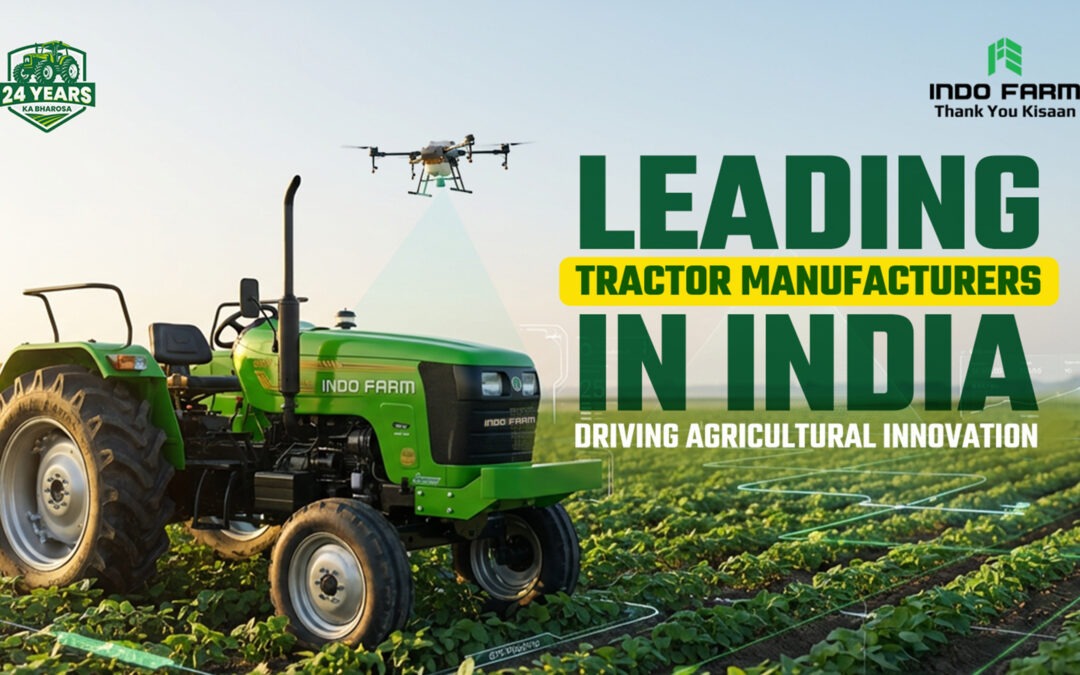
Leading Tractor Manufacturers in India Driving Agricultural Innovation
The agriculture sector is rapidly transforming in India due to the adoption of technology and machines, thus improving productivity, efficiency and sustainability. One of the principal drivers of this transition are tractor manufacturers that are designing innovative agricultural machinery for Indian farmers based on their specific challenges.
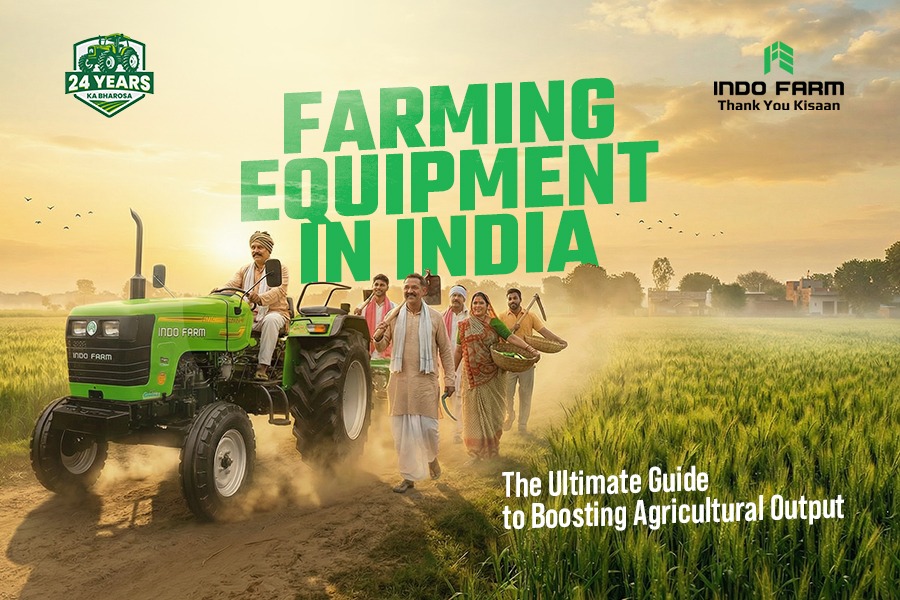
Farming Equipment in India: The Ultimate Guide to Boosting Agricultural Output
The agricultural sector is the basis of the Indian economic development, providing livelihood and food sources for over one billion people. With Indian farmers growing in competitive environments and utilising technology, modern farming practices in India are driving the use of advanced agricultural equipment to enhance performance, productivity and minimise heavy labour utilisation.
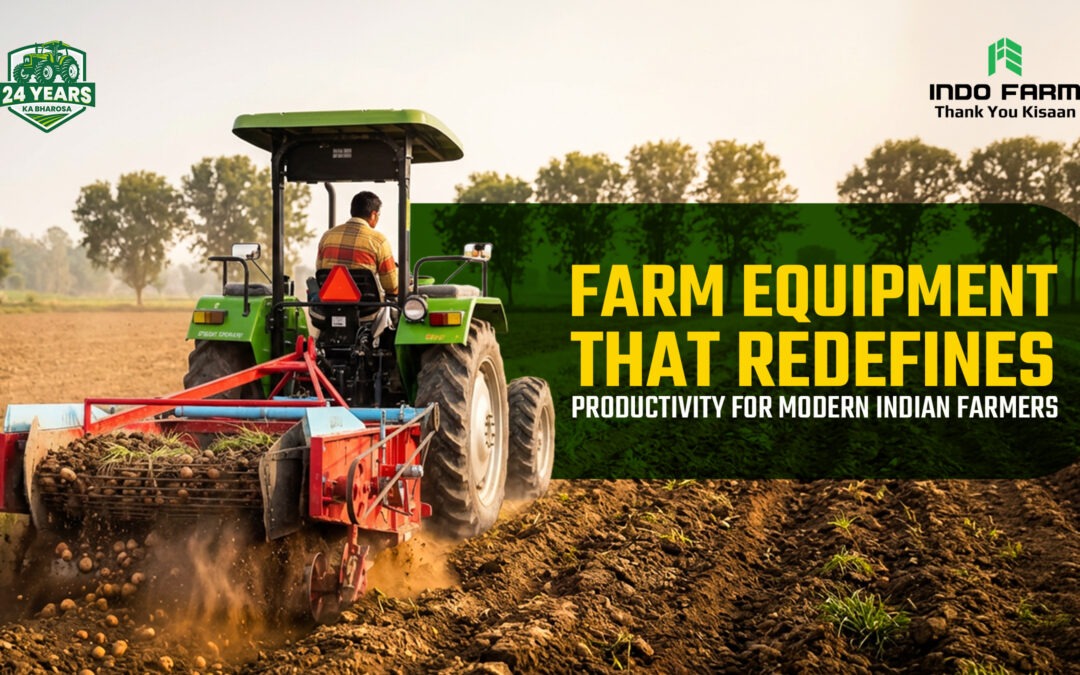
Farm Equipment That Redefines Productivity for Modern Indian Farmers
The agricultural industry in India has changed rapidly over time. Farmers are now looking for ways to improve their yields, work more efficiently and use labour saving means to manage their farms. Therefore, in order for farmers in India to be successful, they need to have access to modern farm equipment that gives them strength, reliability and flexibility so that they can develop their farms.
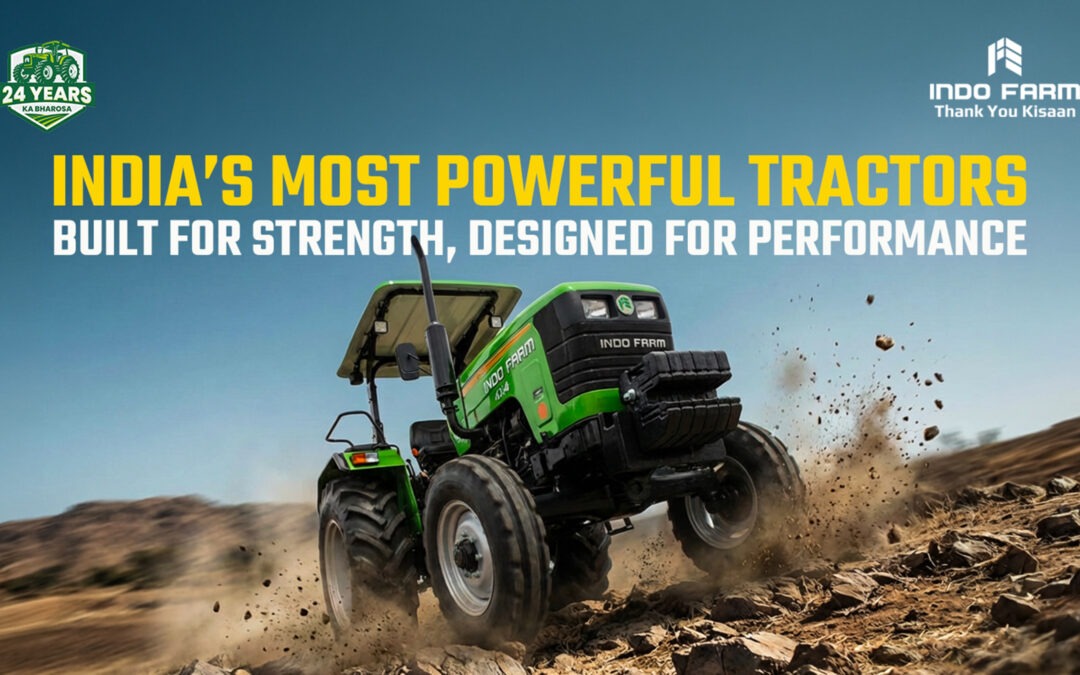
India’s Most Powerful Tractors: Built for Strength, Designed for Performance
There have been great changes made in agriculture. Mechanisation in farming has become very important to improve productivity and efficiency as the size of farms and methods of agricultural production have changed. For growing agricultural practices there is a need for more reliable and powerful farm machinery such as a tractor to aid the farmer’s work with heavy loads or large areas.
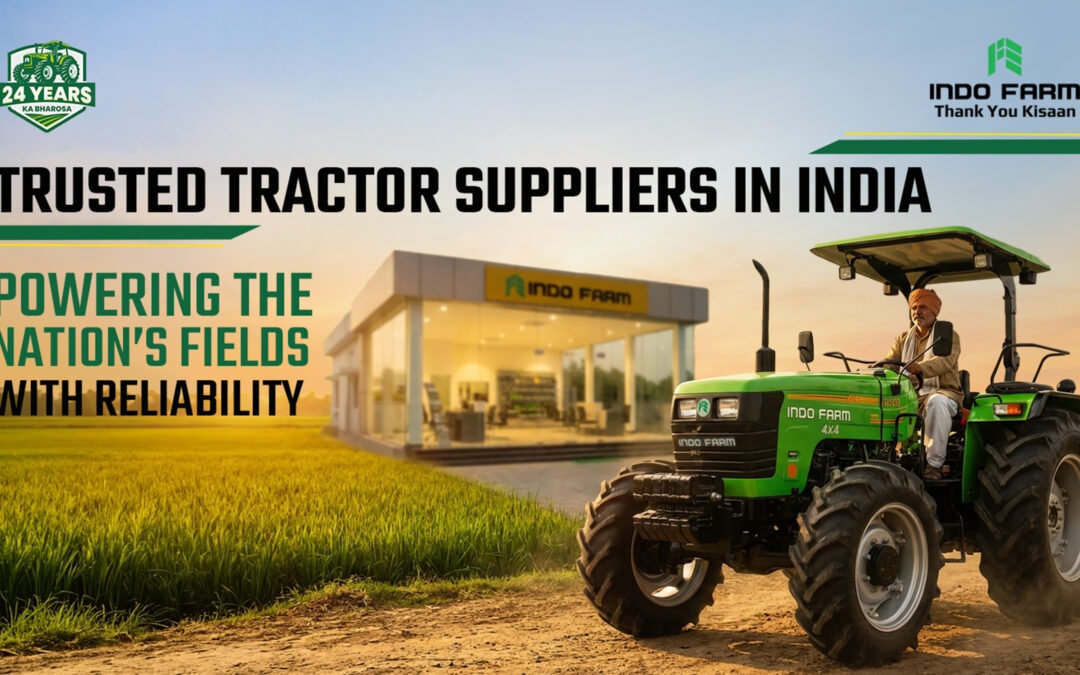
Trusted Tractor Suppliers in India: Powering the Nation’s Fields with Reliability
The agriculture sector within India is among the world’s largest and the most important industry, supporting millions of farmers and creating many jobs, along with being an essential contributor to the economy. The agriculture sector is vast and its success is dependable on machinery that improves productivity while decreasing manual labour. Tractor suppliers play a pivotal role in supporting the sector with reliable machinery and advanced agricultural
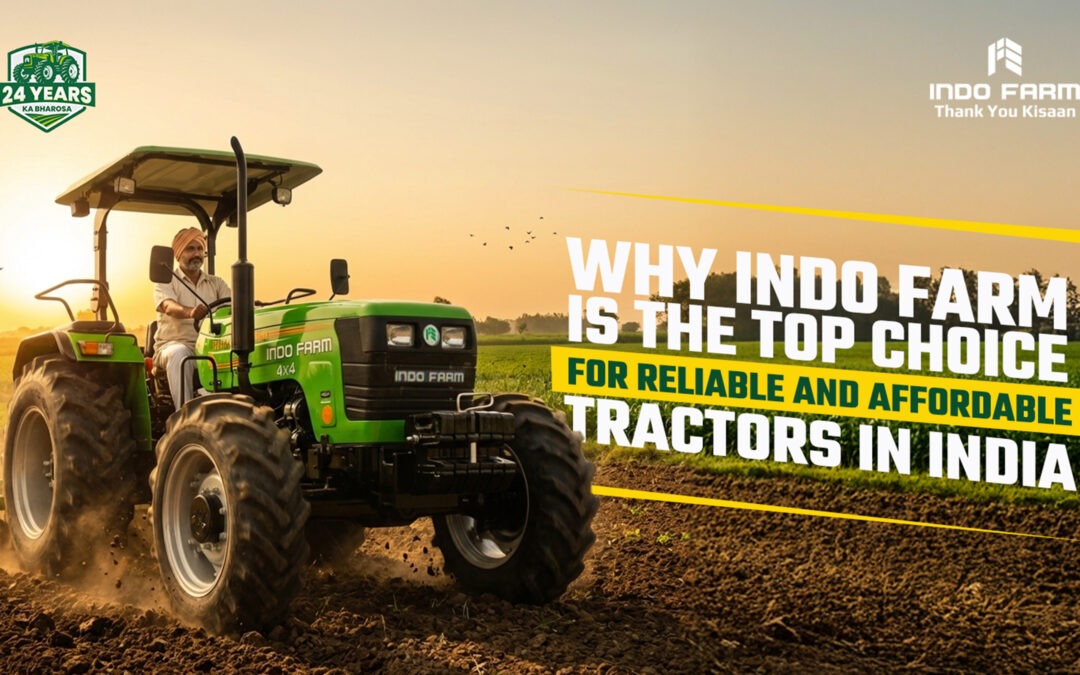
Why Indo Farm is the top choice for reliable and affordable tractors in India
Agriculture in India is rapidly evolving by mechanising tractors that are fundamental for improving productivity and efficiency. There are numerous tractor manufacturers in India. Indo Farm is a well-known and reputable manufacturer of reliable, affordable and quality tractors for smallholders to large-scale farming ventures.
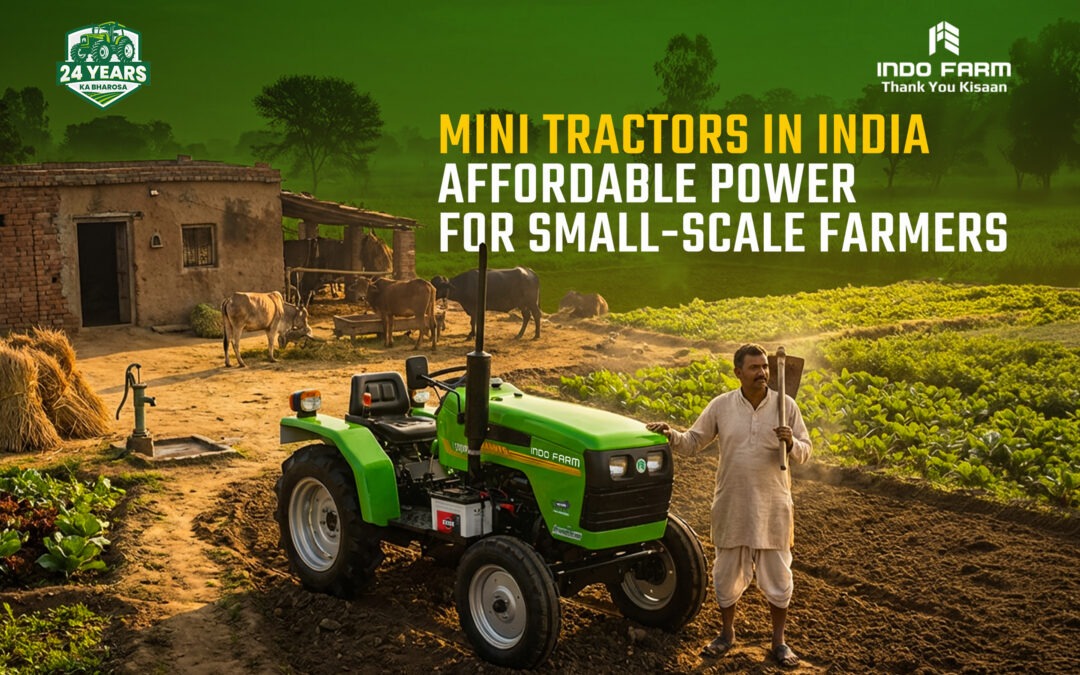
Mini Tractors in India: Affordable Power for Small-Scale Farmers
India’s agricultural sector consists largely of small and marginal farmers who hold small plots of land to manage. These individuals are not able to afford large pieces of machinery due to the costs associated with them and the space constraints. In this context, mini tractors provide these farmers a more affordable way to mechanise their farm work, increasing productivity and also reducing the amount of manual labour they need to undertake.
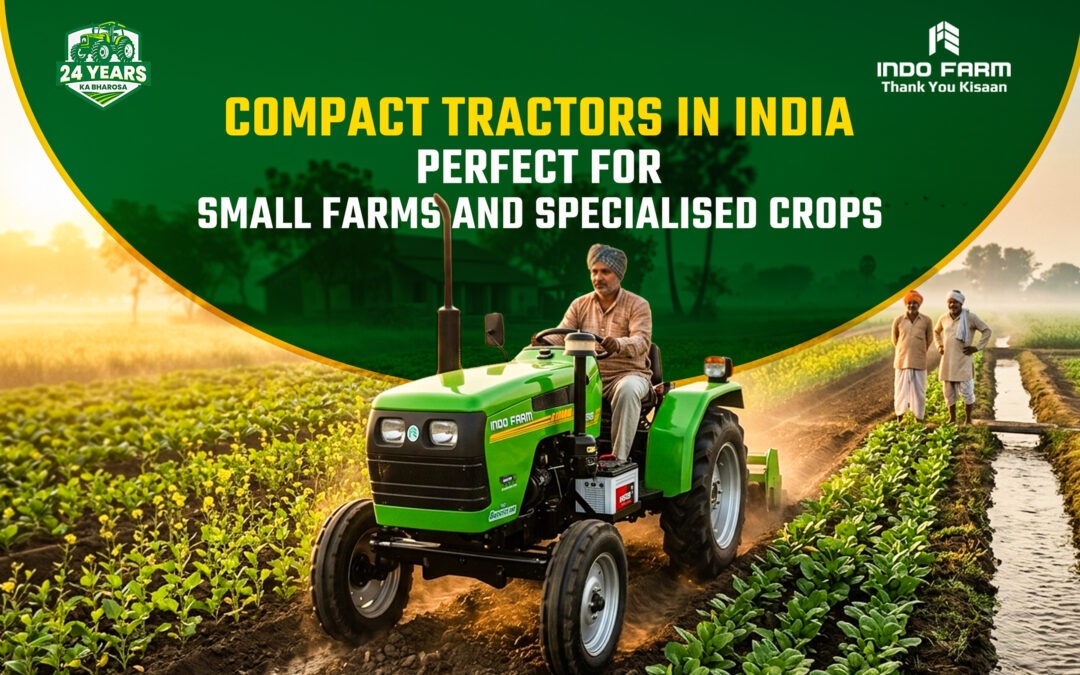
Compact Tractors in India: Perfect for Small Farms and Specialised Crops
Indian agriculture is incredibly diverse. Majority of farmers in India depend on their smaller landholdings, growing specialty crops. Larger farms typically use large machinery. Compact tractors are the ideal solution for the farmers that operate on a small farm.
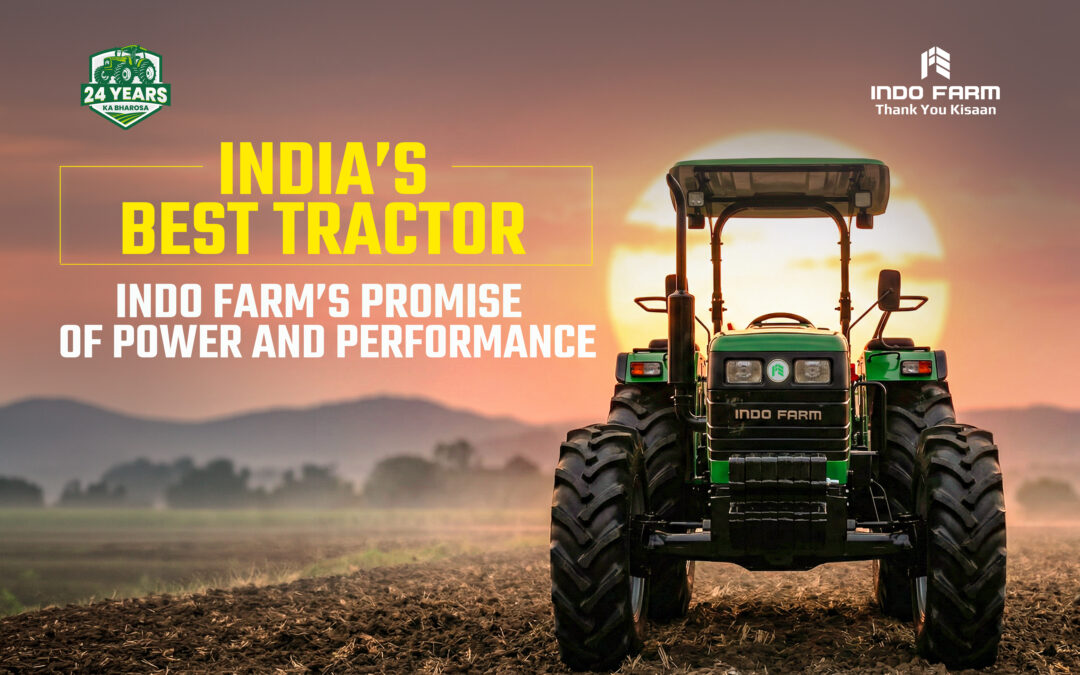
India’s Best Tractor: Indo Farm’s Promise of Power & Performance
The agricultural industry makes up a large part of India’s economy and tractors play an important role in the operation of agriculture. Whether it comes to preparing the land for planting or transporting goods that farmers have harvested, tractors are the key equipment. As farmers seek out the most suitable tractor model in India, they look for more than just the size of the engine’s horsepower but also reliability, strength, efficiency and durability.
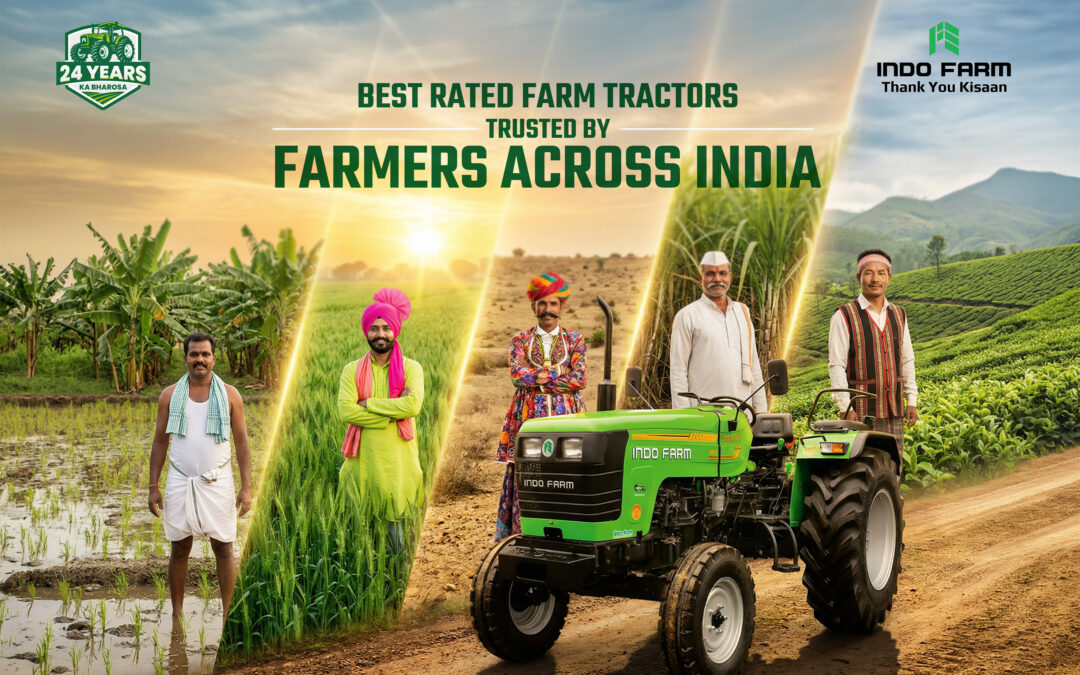
Best Rated Farm Tractors: Trusted by Farmers Across India
There have been significant changes in agriculture in India over recent decades. Mechanised farming using tractors has become the heart of modern farming operations. Farmers today look for machines with not just horsepower but also for reliable equipment that provides good performance, comfort and low operating costs over many years of use.
Leading Tractor Manufacturers in India Driving Agricultural Innovation
The agriculture sector is rapidly transforming in India due to the adoption of technology and machines, thus improving productivity, efficiency and sustainability. One of the principal drivers of this transition are tractor manufacturers that are designing innovative agricultural machinery for Indian farmers based on their specific challenges.
Farming Equipment in India: The Ultimate Guide to Boosting Agricultural Output
The agricultural sector is the basis of the Indian economic development, providing livelihood and food sources for over one billion people. With Indian farmers growing in competitive environments and utilising technology, modern farming practices in India are driving the use of advanced agricultural equipment to enhance performance, productivity and minimise heavy labour utilisation.
Farm Equipment That Redefines Productivity for Modern Indian Farmers
The agricultural industry in India has changed rapidly over time. Farmers are now looking for ways to improve their yields, work more efficiently and use labour saving means to manage their farms. Therefore, in order for farmers in India to be successful, they need to have access to modern farm equipment that gives them strength, reliability and flexibility so that they can develop their farms.
India’s Most Powerful Tractors: Built for Strength, Designed for Performance
There have been great changes made in agriculture. Mechanisation in farming has become very important to improve productivity and efficiency as the size of farms and methods of agricultural production have changed. For growing agricultural practices there is a need for more reliable and powerful farm machinery such as a tractor to aid the farmer’s work with heavy loads or large areas.
Trusted Tractor Suppliers in India: Powering the Nation’s Fields with Reliability
The agriculture sector within India is among the world’s largest and the most important industry, supporting millions of farmers and creating many jobs, along with being an essential contributor to the economy. The agriculture sector is vast and its success is dependable on machinery that improves productivity while decreasing manual labour. Tractor suppliers play a pivotal role in supporting the sector with reliable machinery and advanced agricultural
Why Indo Farm is the top choice for reliable and affordable tractors in India
Agriculture in India is rapidly evolving by mechanising tractors that are fundamental for improving productivity and efficiency. There are numerous tractor manufacturers in India. Indo Farm is a well-known and reputable manufacturer of reliable, affordable and quality tractors for smallholders to large-scale farming ventures.
Mini Tractors in India: Affordable Power for Small-Scale Farmers
India’s agricultural sector consists largely of small and marginal farmers who hold small plots of land to manage. These individuals are not able to afford large pieces of machinery due to the costs associated with them and the space constraints. In this context, mini tractors provide these farmers a more affordable way to mechanise their farm work, increasing productivity and also reducing the amount of manual labour they need to undertake.
Compact Tractors in India: Perfect for Small Farms and Specialised Crops
Indian agriculture is incredibly diverse. Majority of farmers in India depend on their smaller landholdings, growing specialty crops. Larger farms typically use large machinery. Compact tractors are the ideal solution for the farmers that operate on a small farm.
India’s Best Tractor: Indo Farm’s Promise of Power & Performance
The agricultural industry makes up a large part of India’s economy and tractors play an important role in the operation of agriculture. Whether it comes to preparing the land for planting or transporting goods that farmers have harvested, tractors are the key equipment. As farmers seek out the most suitable tractor model in India, they look for more than just the size of the engine’s horsepower but also reliability, strength, efficiency and durability.
Best Rated Farm Tractors: Trusted by Farmers Across India
There have been significant changes in agriculture in India over recent decades. Mechanised farming using tractors has become the heart of modern farming operations. Farmers today look for machines with not just horsepower but also for reliable equipment that provides good performance, comfort and low operating costs over many years of use.