
For Indian farmers, tractors are indispensable tools for use in almost all agricultural functions, such as tillage, sowing, hauling and harvesting. Due to the wide range of choices available to them, buyers often make their decisions based solely on the popularity of the tractor in terms of sales, which can, to an extent, represent the demand for the product in the market. However, while popular tractors might reflect consumer needs, it does not imply that they will be suitable for farm purposes.
The choice of tractors available to farmers in their search for a best selling tractor in India is not determined simply by sales figures from the market. The farmer should look at other aspects like the size of the farmland, soil characteristics, the activities involved in farming, budget and the long-term aspirations for the operation of the farm. An understanding of how all of these factors affect the purchase helps the farmer to make informed decisions.
Why Some Tractors are Best Sellers in India?
The sales of the tractor in the country depend on many factors, including but not limited to price, performance, fuel efficiency, availability and service delivery. The list of the guidelines is what decides the best-selling tractors on account of the specifications that fulfil the demand of many farmers.
Best-selling models also indicate buyers’ demand for versatility, manageability or viability for other chosen forms of crop production specific to a certain region.
The total number of sales is just a reflection of the market demand rather than the individual farm specifications. One farmer might find that a tractor works for him splendidly, while another whose farm is in a different soil type, or who has access to different implements or a very different amount of work to be done, may find that the same tractor does not meet his needs.
So, while you will use popularity as a guide in making your choice, you cannot let it be the sole basis for purchasing a particular tractor.
-
Determine Horsepower Requirements for Your Operations
One of the key specifications to pay attention to when buying tractors is horsepower. Horsepower basically tells you how much work the engine can do.
If your farm has light operations then you don’t need a tractor with much horsepower, while if you are undertaking operations with heavier workloads, such as deep tillage, you will need a more powerful tractor.
Before making your purchase determine your acreage, type of soil and type of equipment you plan to use with the tractor. You will then be able to select horsepower which will allow you to have maximum performance with minimum fuel consumption and purchase price.
-
Check Running Costs
The purchase price is only part of the total cost of ownership. Fuel, regular maintenance, repairs, tyres and parts that will be needed to be replaced during the life of the tractor add up to a considerable amount of money.
Fuel efficiency varies based on the design of the engine, working conditions, implements used, workload and usage and maintenance. The tractor that works well under your typical working conditions will probably yield better returns in the long run than a more popular tractor that you can’t use effectively.
Make sure to weigh the expected costs of operating the tractor against the initial cost before making a decision.
-
Consider Implement Features That Will Determine Performance.
Pick your implements, existing and future first, prior to making a purchase. Remember, it is important to check horsepower recommendations, hydraulic lifting capability, power take-off details and other compatibility.
Buying the best tractor In India cab be a difficult choice so look for a tractor that can properly power your equipment for versatility to be improved and prevents purchase of a piece of equipment that may not do what you need it to do.
-
Know Your Soil and Traction Needs
All Indian farms have different soil types, levels of moisture, ease of the terrain and field conditions. All these will determine how much traction and pulling power you will need from a tractor.
When ploughing hard or compact soil more pulling power will be necessary, while soft and wet fields will present traction challenges. The choice between two-wheel drive or 4-wheel drive will depend on your work needs, circumstances and budget limit.
-
Coverage on parts and service
Tractors need to be serviced from time to time. Even a tractor in perfect condition probably will need to breakout the tools and do some assembly work.
You must ensure that the company you purchase from provides a range of services such as authorised service locations. When selecting farm equipment, it is crucial to select the right unit based on the commodity being produced.
Choosing a tractor based solely on its popularity could create an imbalance between the equipment and the operations required. Moreover, it is essential to find a tractor that will adequately address the job’s needs while also being cost-effective and reliable.
Tips for Selecting a Tractor
-
Determine the Size of the Machine
When deciding to buy a tractor, it is important to know how much land you have to work with. A very small tractor may demonstrate sufficient power, but it will take much longer to finish every task than with the larger tractor.
-
Look for Quality Features
There are many different brands that specialise in the production of various types of tractors; thus, each model features differences in its construction. When deciding to purchase a tractor, always read the specifications beforehand and ensure that they meet your expectations.
Some common features of tractors include:
Wheelbase and axles, Wheel drive type , Weight, Power and torque output and more. Each wheelbase gives the tractor different abilities. Generally, tractors with larger wheelbases have better manoeuverability as compared to shorter wheelbases. Short-wheel base tractors are limited in terms of their turning radius, whereas tractors with longer wheelbases can turn around more efficiently due to their increased length. When considering whether to buy a certain brand of tractor, consider the materials used by the manufacturer.
-
Consider Attachments
Each manufacturer has different brands of tractors that are equipped with various attachments. In addition, each attachment meets certain standards according to the specifications established by national and regional governments.
Therefore, if you want to determine whether or not a certain brand of tractor has any particular attachment available, you will have to research it in detail.
Moreover, when looking into attachments, especially larger ones such as those for tractors, you should also pay attention to their operating costs. As a rule of thumb, larger attachments have greater maintenance costs associated with them than smaller ones.
-
Determine Engine Power
When choosing a tractor, it is advisable to check engine power since this varies considerably among different models from various manufacturers. When choosing between all these types of tractors, make sure you assess their performance, durability and ease of serviceability as well. If you find a company that offers good-quality customer service, then your chances of getting the right tractor should be higher.
-
Look for Reliable After-Sales Support
Reliable after-sale service can help prevent unnecessary downtime during important agricultural operations. Although knowing about the best-selling tractor models is a good approach to getting started, it cannot replace the fact that the following aspects have to be equally taken into consideration: horsepower, fuel efficiency, implement compatibility, traction, maintenance costs and warranty of services.
Indo Farm will provide you with a variety of tractors to choose from depending on the nature of your farming work with respect to the area of land you cultivate. You may compare the specifications of the tractors and determine the ownership total cost of the recommended model by your dealer.
Frequently Asked Questions
1. Which is the best-selling tractor in India?
A best-selling tractor refers to the one which sells the best in certain time period as far as tractor sale statistics are concerned. This means that the best-selling tractor might not be the best one for your case. Consult the latest sale statistics concerning tractors.
.
2. Does the sale of the best-selling tractor mean that this one is suitable for my farm?
Not necessarily. A best-selling tractor can be a good tractor for many people, however, it should meet all of your specific farming requirements.
3. Why is horsepower important?
Horsepower is important for determining the work that your tractor will be able to perform. Based on the workload and other criteria you will get an engine power requirement.
4. Is the fuel efficiency an important criterion for me to consider?
Yes, proper fuel consumption has an effect on the expenses of tractor operation.
5. What is the importance of implement compatibility?
Implements have their own power, hydraulic and power take-off needs. Checking the compatibility helps to make sure that you are using the tractor correctly.
6. What aspects should I check concerning the service after the purchase of a tractor?
Check the availability of authorised service and all of the service parts necessary for the maintenance, warranty coverage, etc.
7. How to choose Indo Farm tractor?
Carefully estimate your land, soil, type of farming activity, horsepower and compatibility of implements with your tractor, then compare.

Tractor Dealership Cost in India: Investment Insights for Aspiring Entrepreneurs
Why Tractor Dealerships Continue to Grow
The steady demand for tractors, along with a growing awareness of this new opportunity for small-scale operations, is driving many entrepreneurs to explore becoming tractor dealers.
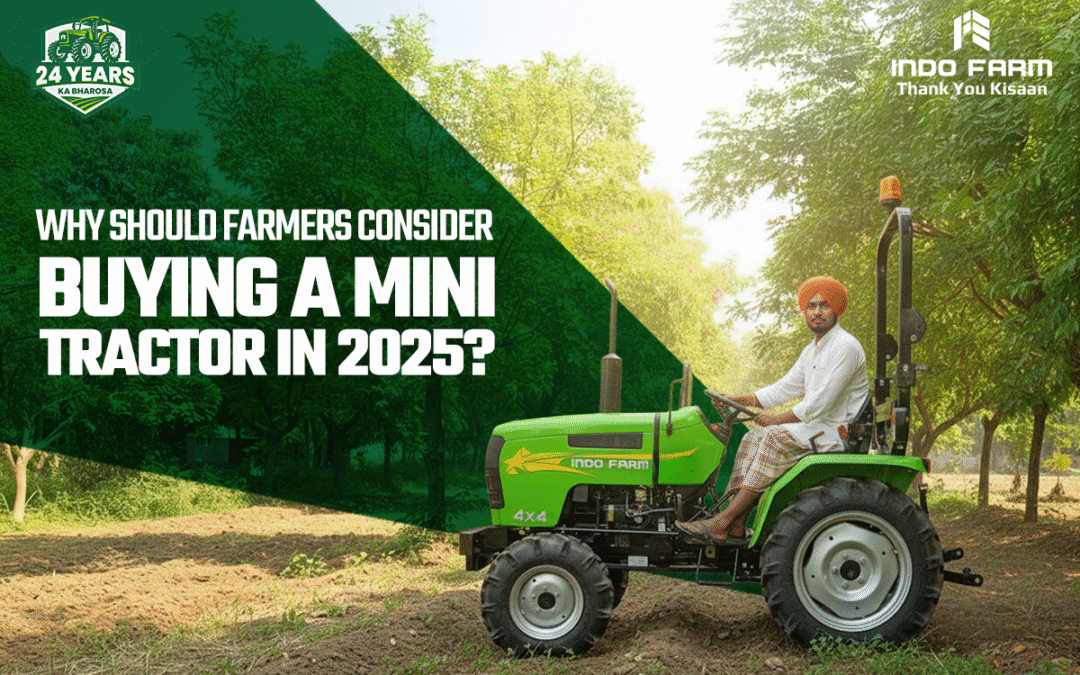
Why Should Farmers Consider Buying a Mini Tractor in 2025?
This blog post details how India’s tractor industry is leveraging its manufacturing prowess to reach overseas markets for dealers, farmers and the overall tractor market.
How India’s Tractor Industry is Turning Manufacturing Strength Into Global Reach
This blog post details how India’s tractor industry is leveraging its manufacturing prowess to reach overseas markets for dealers, farmers and the overall tractor market.
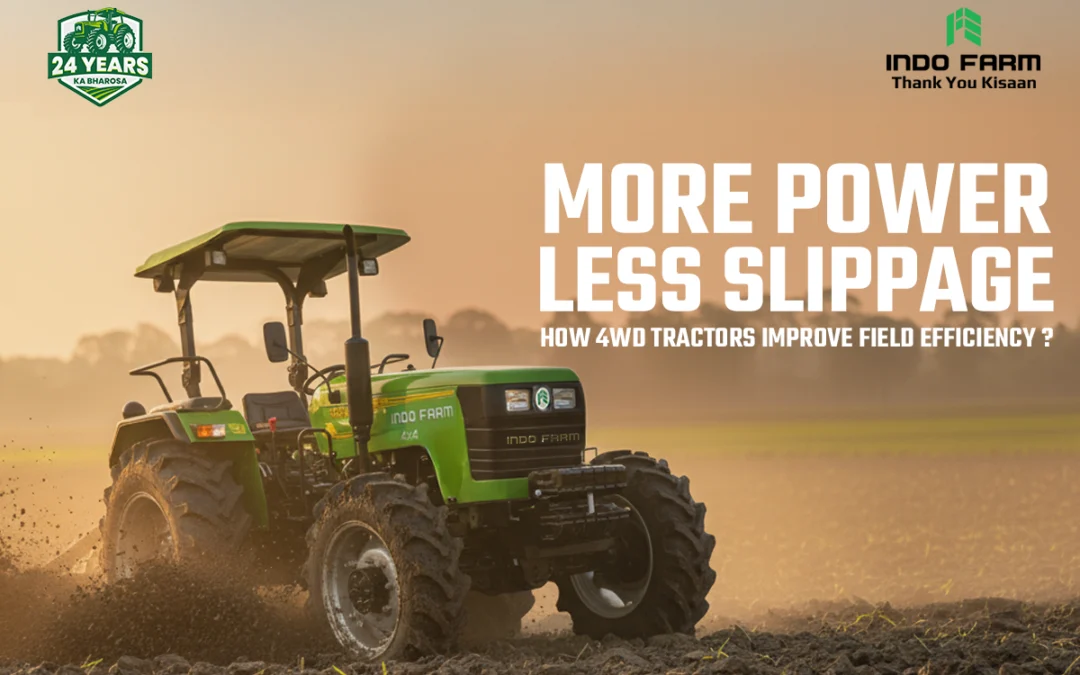
More Power, More Grip: How 4WD Tractors Increase Efficiency & Profitability in the Field
By understanding how 4WD technology increases field performance, both users and dealers can make data-driven decisions that lead to increased productivity, earnings, and longevity.
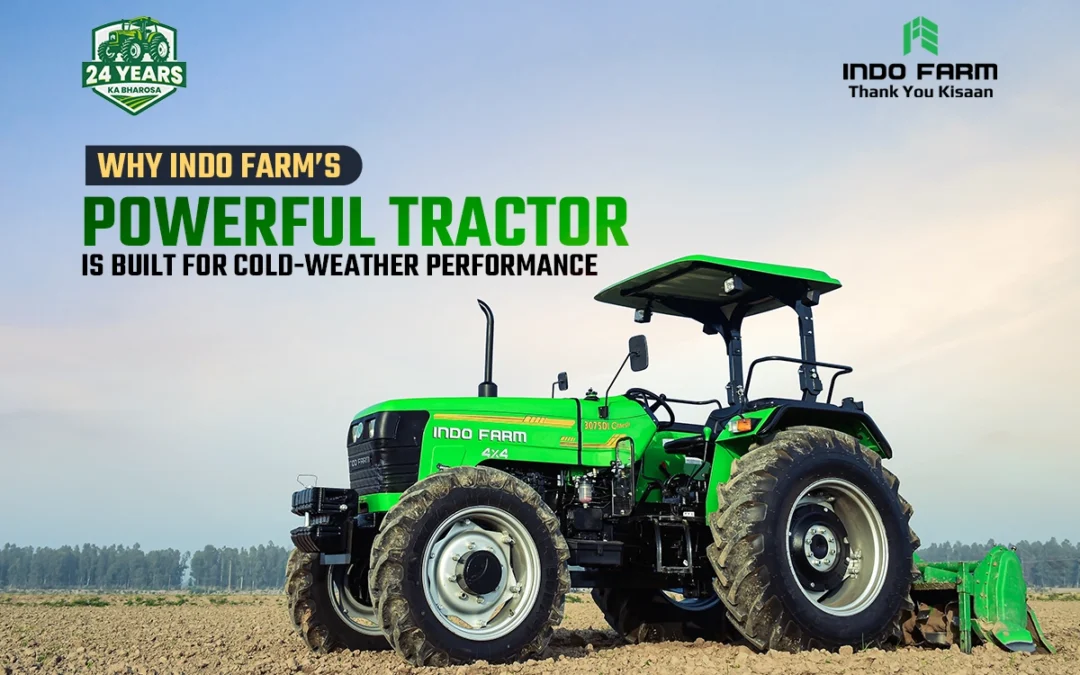
Why Indo Farm’s Powerful Tractor Is Built for Cold-Weather Performance
Starting a tractor in freezing weather tests everything engine, hydraulics, and patience. Indo Farm builds machines that don’t just survive winter, they thrive in it.
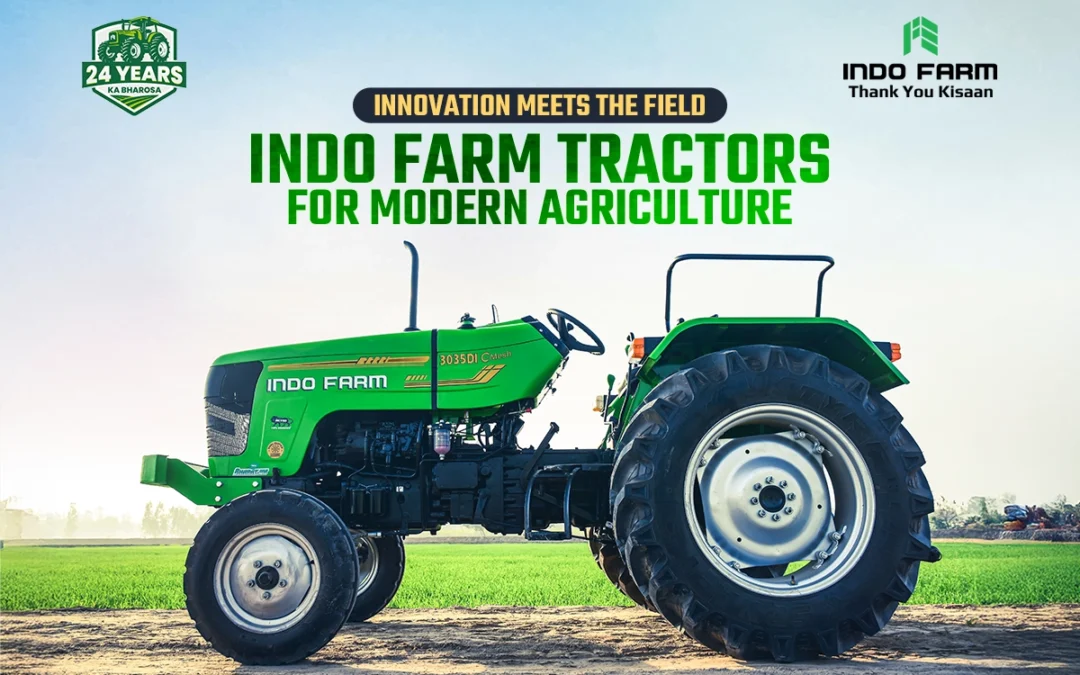
Innovation Meets the Field: Indo Farm Tractors for Modern Agriculture
We have seen throughout India that tractors have transformed into more than machines, they have become business associates of farmers and for those who sell to farmers. Indo Farm happens to sit very well at that intersection of technology and practicality for today’s agriculture.
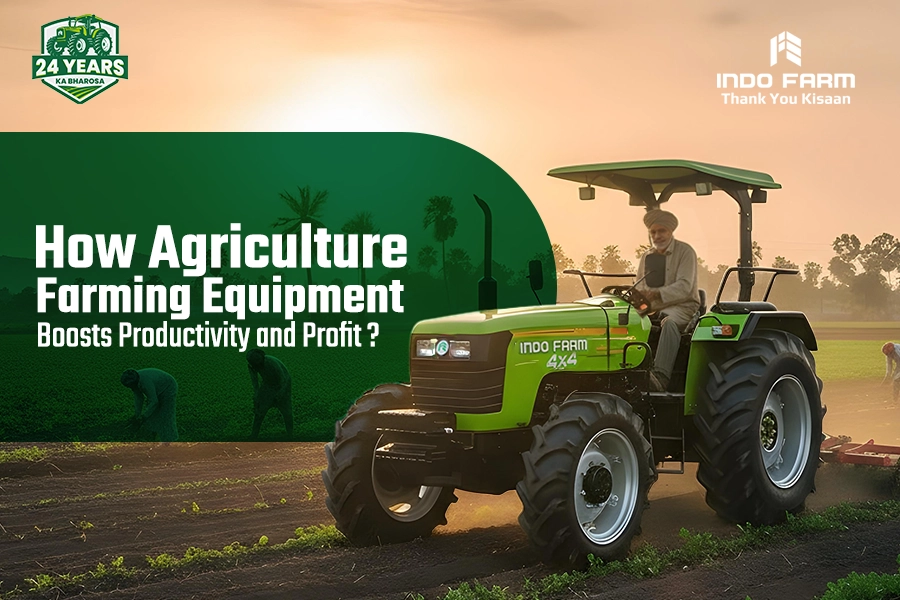
How Agriculture and Farming Equipment Boosts Productivity and Profit
When you buy the right equipment, you are not just buying metal and motors; you are buying time, yield, and profit potential. Let’s see how modern farming equipment can affect the future of your farm.
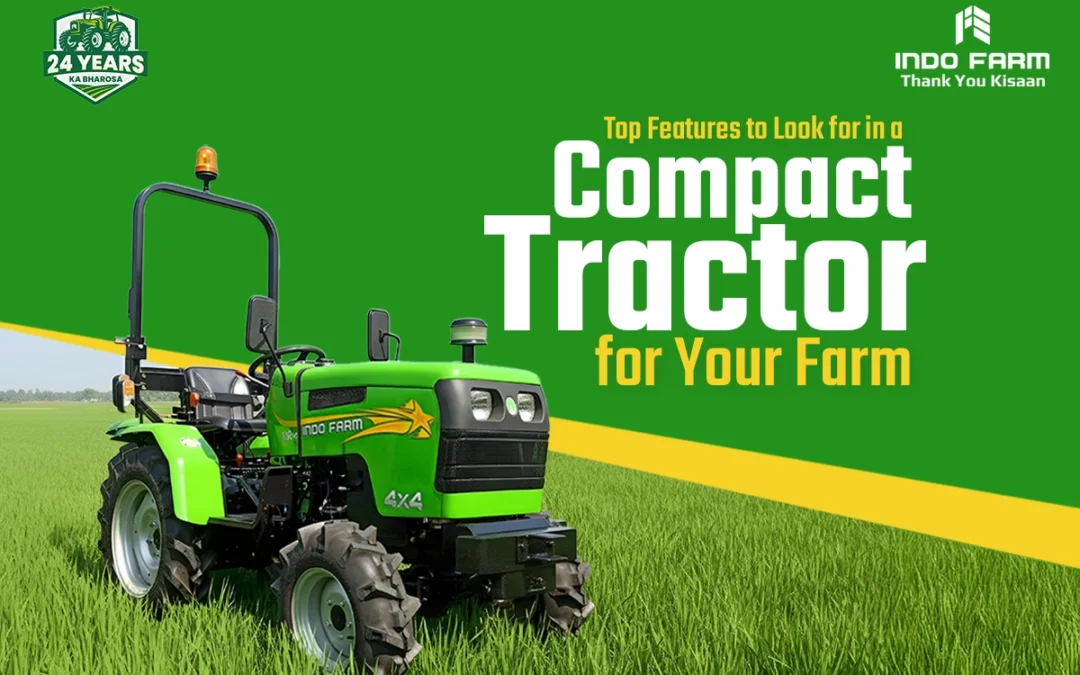
Top Features to Look for in a Compact Tractor for Your Farm
Before buying a tractor, assess your land, crops, and daily tasks to find the right capacity and features. Let’s take a look at what you, the first tractor (farmer), are going to consider before you purchase.
How to Maximize Your Mini Tractor’s Efficiency on the Farm
In this post, we will talk about how to maximize the efficiency of your mini tractor for optimal results for minimal effort, whether you are a small farmer in India or somewhere else in the world.
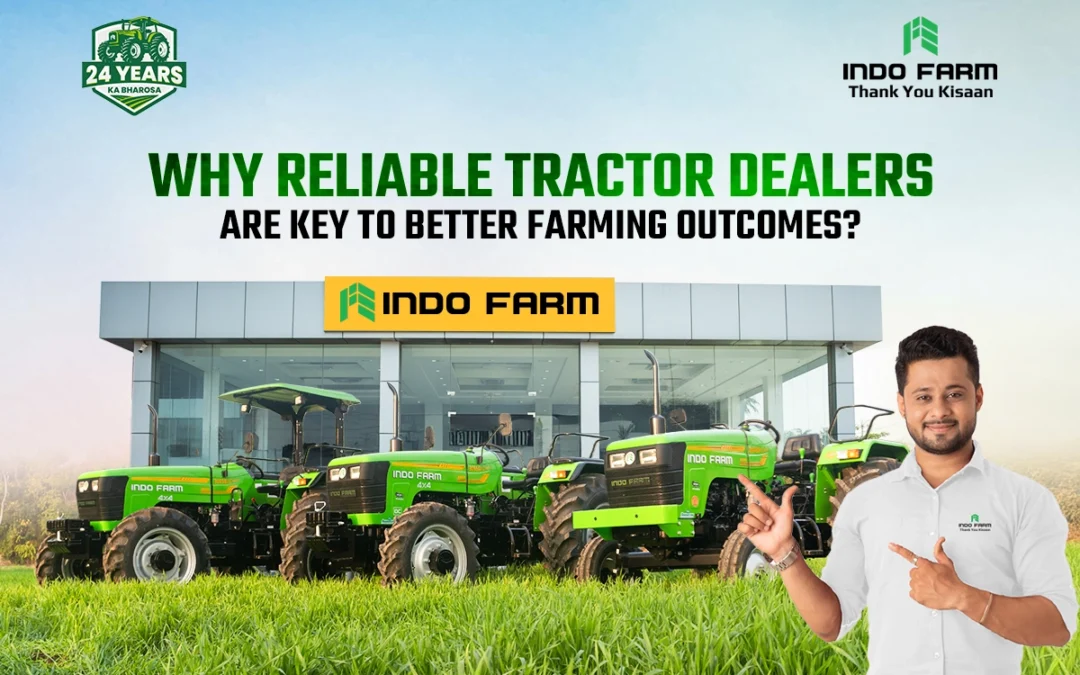
Why Reliable Tractor Dealers Are Key to Better Farming Outcomes
Many dealerships for agricultural equipment have agreements with financial institutions or banks that allow farmers to get loans at competitive rates. This type of financial assistance will allow farmers to purchase the equipment they require without having to strain their budgets.