
In India, a farm tractor purchase is one of the most important purchases made by a farmer. The correct tractor purchase can make a difference to the way a farm operates for many years. However, if the incorrect tractor is purchased, it could cost the farmer fuel, downtime and poor field performance for every growing season. This comprehensive guide to buying a tractor in India covers every aspect of purchasing a tractor from understanding your needs in terms of horsepower and soil compatibility to evaluating various tractor features, financing options and after sales support for tractors. After reviewing this guide, every Indian farmer will be better equipped to confidently select the best farm tractor for their specific needs. A tractor is an important part of a farmer’s life in India. It is the one piece of equipment that a farmer uses throughout their career; it is used to plant and harvest crops year after year. Without the right tractor, it can take years to build what your farm could produce. With the right tractor, you will receive years of benefits in return. With so many brands to choose from, along with hundreds of models and an infinite number of horsepower options, choosing the best farm tractor can be a huge undertaking in India; especially if this is your first time buying such a machine. This tractor buyers guide help to simplify the process. You will find the tractor buyers guide useful if you are a small-scale farmer purchasing your first tractor or an experienced farmer purchasing your second or third tractor. This tractor buyers guide will provide complete detail of the decision-making process you will go through.
Step 1- Understand Why You Need a Tractor
When looking at different tractors, the first thing to ask yourself is: “What am I going to do with this tractor?” Different regions of India grow crops in completely different ways. Therefore, what is a good tractor for one type of farmer may not work for the other type of farmer. Be honest with yourself about your primary use case. Are you using the tractor mainly for soil preparation? For sowing and cultivation? For haulage and transportation? For PTO-driven implements like reapers or balers? Or for a combination of all of these?
Step 2- Choose the Right Horsepower for Your Farm
The most critical component in determining how you choose a tractor to purchase in India is horsepower. The HP category you select will depend on your size, type of farming and type of soil.
The following suggestions can help you make a more informed decision regarding the correct HP for your farm:
20-35 HP is best for a small farmer farming less than five acres, a horticulture farmer and a first-time buyer.
35-50 HP tractors are the most trending in India & utilised by most of the farmer based on the size of the farm. They will be versatile enough to fulfil any type of farming need.
50-75 HP would be better suited for a farmer on an agricultural farm with more than fifteen acres.
75 HP and above tractors are primarily used for commercial farming on 25 acres or more. They are made to run long periods of time in their normal daily operational cycles without any noticeable reduction in HP or power.
The common mistake most first-time buyers make is to select a tractor with HP that is either less than what their farms actually need.
Step 3- Evaluate the Key Technical Features
Once you have identified your HP range, the next step is evaluating the specific technical features that will determine how well the tractor performs your daily operations.
Engine and Fuel Efficiency
The engine is the heart of any farming tractor. Look for an engine that delivers strong power output alongside excellent fuel economy. A tractor that burns less diesel per hour of operation directly reduces your cultivation cost per acre — one of the most important financial metrics for Indian farmers. Engines designed with advanced combustion technology deliver better air-fuel mixing and measurably better fuel efficiency under field conditions.
Transmission and Gearbox
A good gearbox makes daily field operations smoother and reduces operator fatigue over long working hours. A constant mesh gearbox — where pinion and gear engage seamlessly — reduces mechanical wear and extends gear life significantly. This is especially important for tractors that will be used intensively across multiple seasons.
Braking System
The type of braking system matters depending on your terrain and primary operations. Dry brakes are effective for standard flatland farming conditions. Oil-immersed brakes offer superior stopping power and a longer lifespan due to effective oil cooling — making them the preferred choice for paddy field puddling, hilly terrain haulage, and any operation where reliable braking under wet or slippery conditions is critical.
Hydraulic System
A high-capacity hydraulic lift is essential for farmers who operate heavy implements. The hydraulic system controls implement depth, lift speed, and load response — directly impacting the quality and consistency of operations like ploughing, cultivation, and tipping trailer use. Always verify the hydraulic lifting capacity against the heaviest implement you plan to use.
Power Steering
Power steering significantly enhances operational ease, reduces operator fatigue, and improves safety particularly during long working days and in applications that require frequent steering corrections. For farmers working on uneven or hilly terrain, power steering is not a luxury but a practical necessity.
PTO System
If you plan to run PTO-driven implements reapers, balers, rotary tillers, post-hole diggers, or sprayers evaluate the tractor’s PTO features carefully. A dual clutch allows seamless gear changes while the PTO continues running, preventing costly interruptions to implement operation. A reverse PTO provides quick disengagement when implements encounter field obstacles. A DC valve ensures smooth and precise control of hydraulically operated equipment.
Operator Comfort
Farming is physically demanding, and operator fatigue is a real productivity issue. The best farming tractors are designed with a flat platform offering ample space, ergonomic controls and pedals, user-friendly levers and handles, an adjustable seat, and strategically positioned main controls all of which minimise fatigue and allow for more productive working hours without compromising the operator’s well being.
Step 4 – Match Your Tractor to Your Soil Type
India’s soil diversity is extraordinary and it has a direct bearing on which farming tractor will serve you best.
Alluvial Soils- These fertile, relatively workable soils are well-suited for medium HP tractors in the 35–55 HP range. Standard dry brake models perform well in these conditions.
Black Cotton Soils – Heavy and sticky when wet, these soils require higher HP, strong back-up torque and robust hydraulic systems. Tractors in the 50–75 HP range with high torque engines are recommended.
Red and Laterite Soils – Moderate tillage requirements, suitable for medium HP tractors. Good hydraulic control is important for consistent cultivation depth.
Clay Soils- Waterlogged paddy conditions demand tractors with oil-immersed brakes, strong low-speed torque, and robust axle designs. Consider cage wheel compatibility for dedicated paddy farming use.
Hilly and Rocky Soils -Gradient stability, oil-immersed brakes, high back-up torque, and ideally four-wheel drive capability are essential for reliable operation on sloped and uneven terrain.
Step 5 – Understand Total Cost of Ownership
The purchase price of a farming tractor is just where your financial discussion begins. While the cheapest option may seem like it will provide you with value, it is actually the farming tractor that ultimately provides you with true value for your investment. The following list provides a few examples of how total cost of ownership should be part of your total consideration when purchasing a farming tractor:
- Fuel Use: The use of fuel can be measured based on the number of fuel gallons consumed by the tractor each hour of operation multiplied by the estimated number of hours of operation of the tractor annually. A more fuel-efficient tractor will typically save you thousands of rupees each year due to its fuel savings compared to a less fuel-efficient tractor of equal horsepower.
- Maintenance Needs: You need to consider how many times the farming tractor is likely to need service during your ownership period, how much will the original parts cost when needed for repairs and how accessible will the parts be when repairs are needed? If you purchase a farming tractor that has complex mechanical systems and expensive parts, you could soon find that you have lost the advantage of the lower purchase price because of the higher service costs.
- Downtime: If you cannot use your farming tractor for a day or more during critical production periods, your loss of production will result in a loss of money. Therefore, when selecting your tractor, if you select one with a reputation for reliability in addition to selecting one with a well-known trademark and access to an enthusiastic service organisation, you will reduce the amount of downtime you incur.
- Resale Value: Tractors that are sold by reputable manufacturers are well-known for the dependability of their products, maintain their investment value much better than those sold by other types of manufacturers.
Step 6 – Evaluate the Brand and Dealer Network
The brand you choose determines the long-term support you receive. A well-engineered tractor from a brand with poor dealer coverage leaves you stranded when things go wrong during the busiest time of the farming year. When evaluating brands, consider the following:
Quality of manufacturing – Does the brand manufacturer and supply their own component? All of the parts used to produce any tractor ought to only be comprehensive, reliable parts made by original equipment manufacturers (OEMs).
Research & Development– A brand with a dedicated R&D function continuously improves its products. This means machines produced in a given year are generally more efficient in terms of fuel consumption, more comfortable to operate and perform at a higher level.
Local dealer network – Do you have a dealer nearby? Does that dealer carry original equipment replacement parts and offer service/repair capability? Can the dealer meet your needs if you need service and/or repairs?
After-sale support – What type of technical assistance does the brand give to their dealers? After-sale support is one of the most important factors in determining whether an average tractor purchase will become an outstanding and long-term investment.
Indo Farm Equipment Limited consistently demonstrates excellence in all the above areas by producing tractors ranging in horsepower from 20 HP through 110 HP. Indo Farm offers farm tractors designed for ease of operation, ease of maintenance and fuel savings with all component parts purchased from OEMs with quality assurance.
Step 7- Explore Financing and Government Schemes
The cost of a tractor is a significant investment for most Indian farmers but many different ways to finance or obtain government support for the purchase of a tractor.
Financial Institutions – Farmers can get loans from banks and cooperatives that finance purchases of farming implements and tractors at below-market interest rates if they qualify as a farmer. The two most common financial products used to finance tractor purchases in India are Kisan credit cards and agricultural term loans.
Subsidies – The Government of India offer subsidies for the purchase of tractors and agricultural equipment, primarily to assist small, marginal and women farmers.
Manufacturer and Dealer Financing – There are many different manufacturers and dealers who sell tractors that provide structured financing for the purchase of tractors through bank financing. This enables many farmers to buy tractors with very low-down payments and attractive EMI options.
Step 8 – Test Before You Buy
A specification sheet can tell you what the machine is capable of doing, but having the tractor out in your field can tell you how it will perform in your specific conditions. It’s always a good idea to request a field demonstration prior to finalising your purchase so you know exactly how the tractor operates in your conditions. During the field demonstration of this model, be sure to observe these areas:
- How the tractor shifts gears under load
- The performance of the hydraulic system
- Your level of comfort as an operator over an extended period of time
- The sound of the engine at full load
- The ease of operating the controls
Also, ask the dealer for references from other customers that currently own this model that are in your geographic area and so you can talk with them about their experiences.
Conclusion
When selecting the best farm tractor in India, the most significant aspect of the decision will be making sure you have the proper amount of horsepower. When choosing a machine there are many factors to consider besides just horsepower such as soil type, budget, dealer network, etc. Please ensure you take your time when selecting a machine. This blog can help you go through each purchasing step methodically, thorough testing and then when deciding on a brand, you should look at the company’s commitment to helping farmers succeed by providing quality machines and after-sale service. Indo Farm Equipment Limited is an excellent example of a manufacturer with the ability to produce high-quality agricultural tractors based upon decades of manufacturing experience, a R&D centre dedicated to innovation, OEM quality parts, an extensive dealer network and a commitment to excellence for their customers.
Frequently Asked Questions (FAQs)
Question 1: What is the best tractor for a first-time buyer in India?
When purchasing your first tractor, purchase a tractor under 20 to 35 horse power. Small-size tractors are compact, use less fuel, need less maintenance and are ideal for small farms and horticultural type farming. When choosing a tractor, make sure to select a manufacturer with a good dealer network and adequate availability of replacement parts. This will allow you to have a reliable source of after-sale service right from the moment you purchase your tractor.
Question 2: How do I determine what horse power of tractor will work best for my farm in India?
When choosing the HP of your tractor, you should base your choice on the number of acres you have to work with and the heaviest task the tractor will be performing on your farm. A tractor 20 to 35 HP works well for small-size farms, while a tractor with 35 to 50 HP works well on medium-size farms. For large size farms, a tractor with between 50 and 75 HP works well.
Question 3: Do I need an oil-immersed brake system on my farming tractor?
If you are operating your tractor in an area that has hills or in paddy fields or any type of operation that requires you to brake while on wet surfaces, having an oil-immersed braking system will offer you better performance due to its ability to be cooled by the oil, as well as a longer life span when used in these terrains. When using a tractor on level land to perform the majority of your farming operation, you can usually get away with using a dry brake system without too much issue.
Question 4: What government schemes are available for tractor purchase in India?
There are currently several assistance programs available to small farmers or farmers needing low or down payment assistance towards purchasing tractors, implements and other types of equipment used to produce crops.
Question 5: Is after-sale service necessary when purchasing a farming tractor?
After-sale service plays a large part in determining how quickly your tractor can be serviced and repaired when necessary. To minimise the amount of downtime, be sure to choose a brand that have a strong dealer network throughout the country, readily available genuine replacement parts and have trained service technicians located near to your farm.
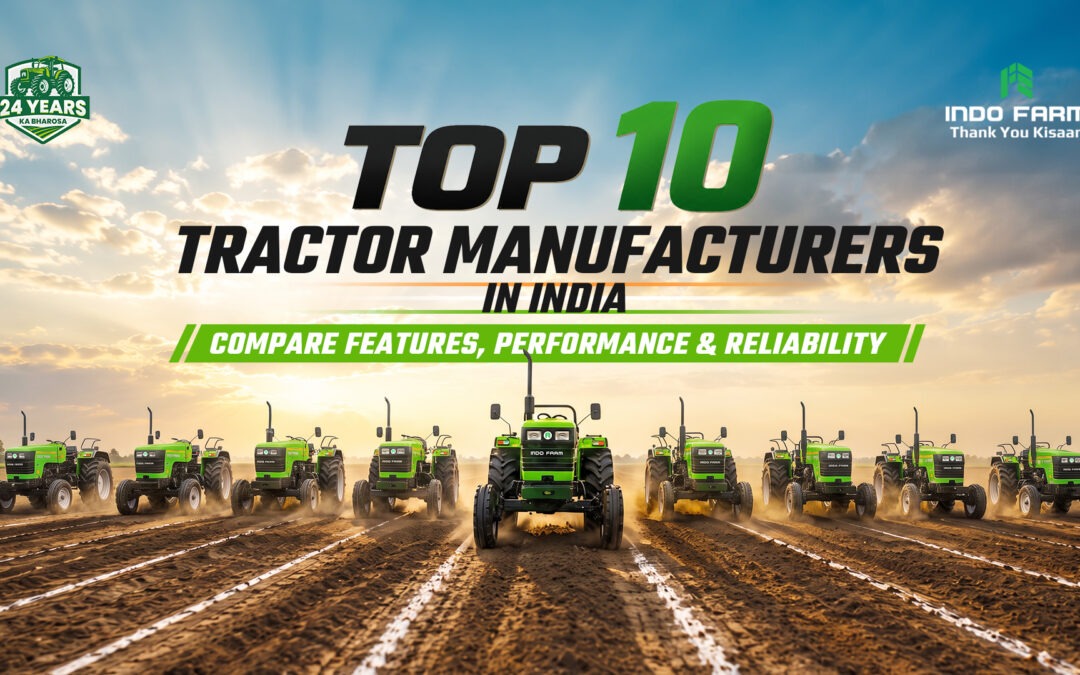
Top 10 Tractor Manufacturers in India: Compare Features, Performance & Reliability
In comparing the top 10 tractor manufacturers in India, it is essential for farmers to go beyond brand awareness and consider other key factors. The finishing of the process is that farmers need to take into account aspects beyond brand recognition and to focus instead on what is really important, namely, tractor performance, reliability, fuel efficiency and customer service.
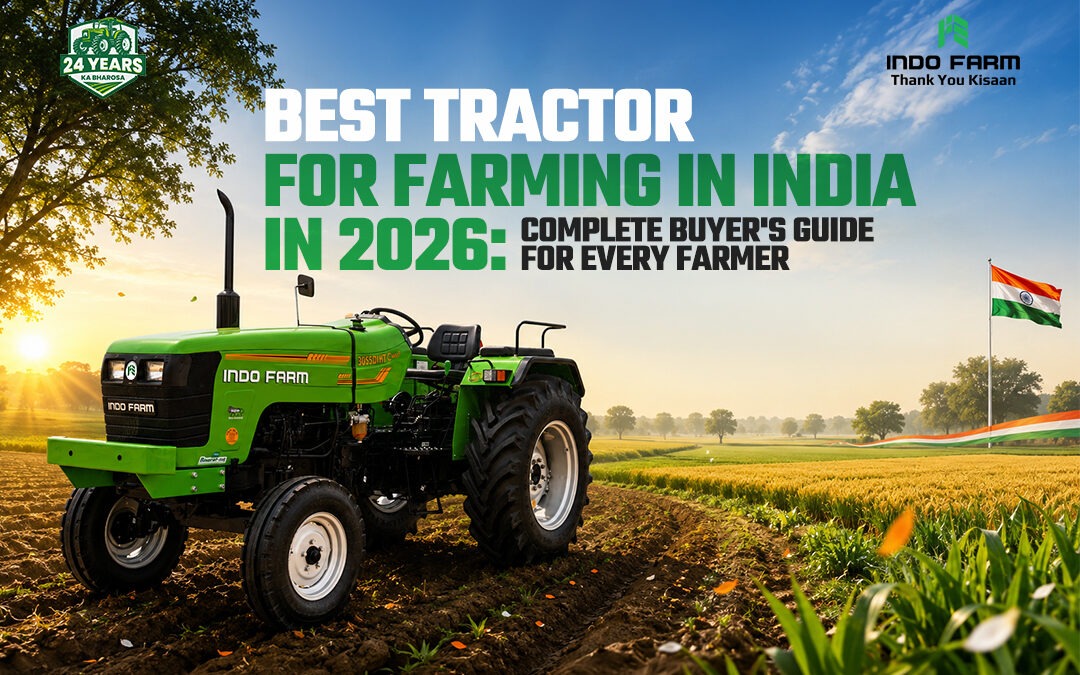
Best Tractor for Farming in India (2026) Complete Buyer’s Guide for Every Farmer
The best tractor for farming depends on the type of crops being grown, the size of their farm and the soil characteristics. The right tractor is not merely about the horsepower; it should have the right blend of power, fuel economy, agility and capability of production. In 2026, tractors will feature highly developed hydraulic systems that will help them in operating in a better manner. Whichever farm one has, selecting the most appropriate tractor can help save money, improve effectiveness and maximize profits.
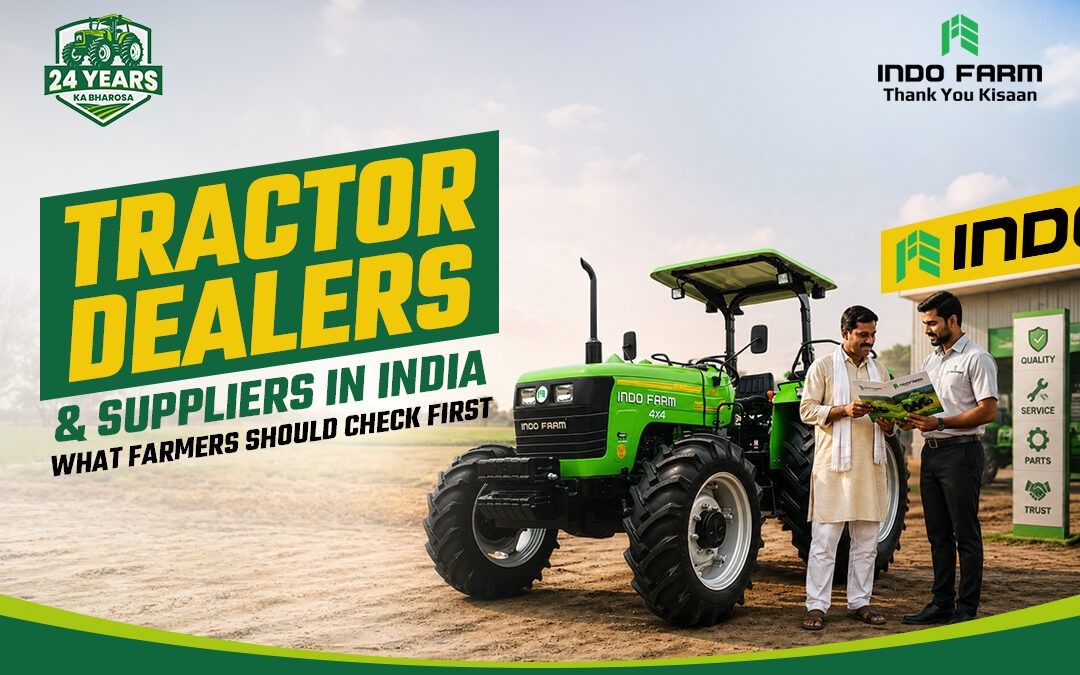
Tractor Dealers & Suppliers in India: What Farmers Should Check First
Buying a tractor is one of the biggest expenses incurred by a farmer. Regardless of whether the farm is small or large, it is essential to choose the best tractor dealers on the market. Only the reputed dealers will be able to provide you with the right equipment and ensure top-quality after-sales service.
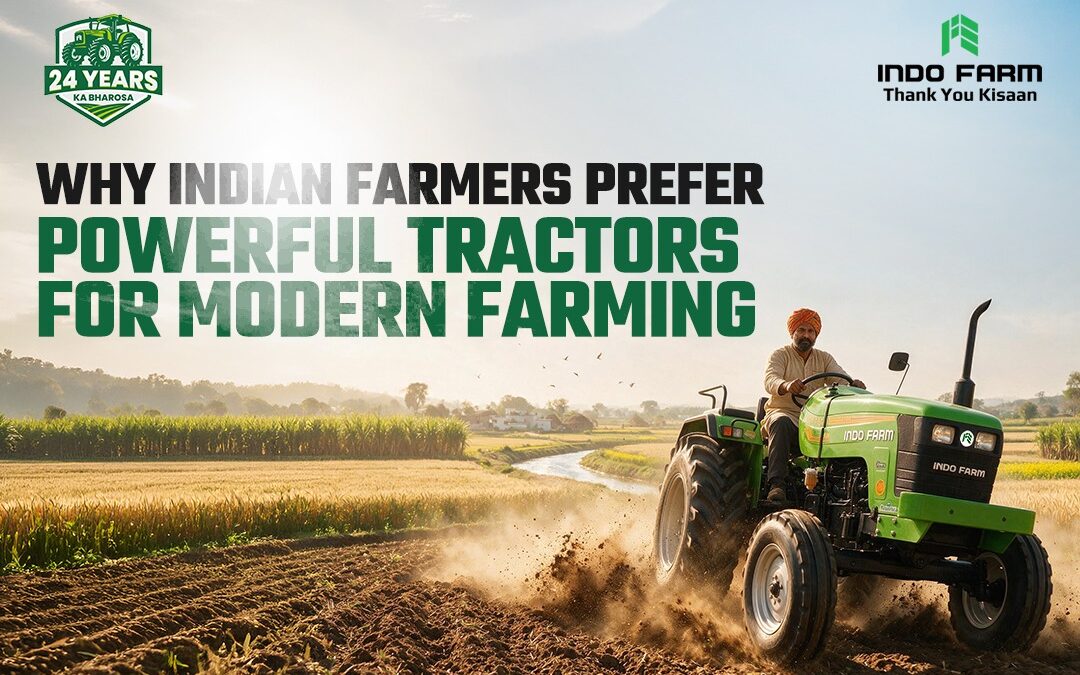
Why Indian Farmers Prefer Powerful Tractors for Modern Farming
Choosing which tractor to buy is not the same process as buying any other or farm equipment. It is one of the most important decisions for your farming business. For this reason it is good to consider the selection of the best tractor in India in the same way as you do in case of other big purchases: assess what you need the tractor for and how it will operate in the future.
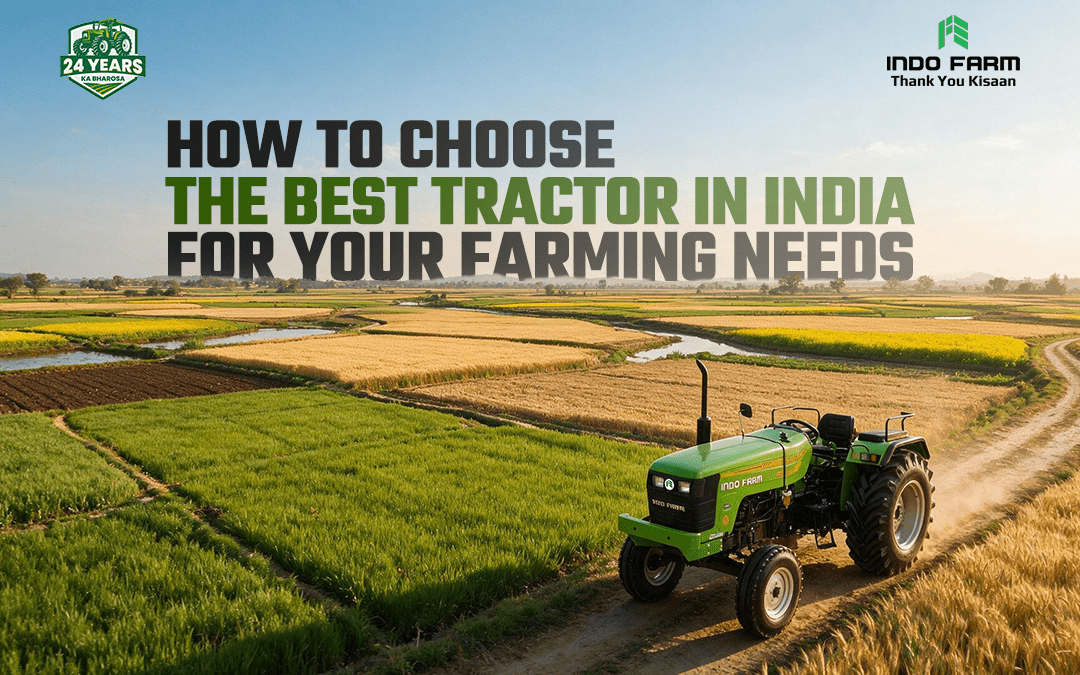
How to Choose the Best Tractor in India for Your Farming Needs
Choosing which tractor to buy is not the same process as buying any other or farm equipment. It is one of the most important decisions for your farming business. For this reason it is good to consider the selection of the best tractor in India in the same way as you do in case of other big purchases: assess what you need the tractor for and how it will operate in the future.
The Top 10 Tractor Companies in India Based on Their Preferred Performance and Reliability
As a farmer, one understands that a tractor is not merely a piece of machinery; it is a reliable partner in all farming activities throughout seasons. Being a dealer, you understand how important it is to recommend the right tractor to build a lasting relationship with clients.
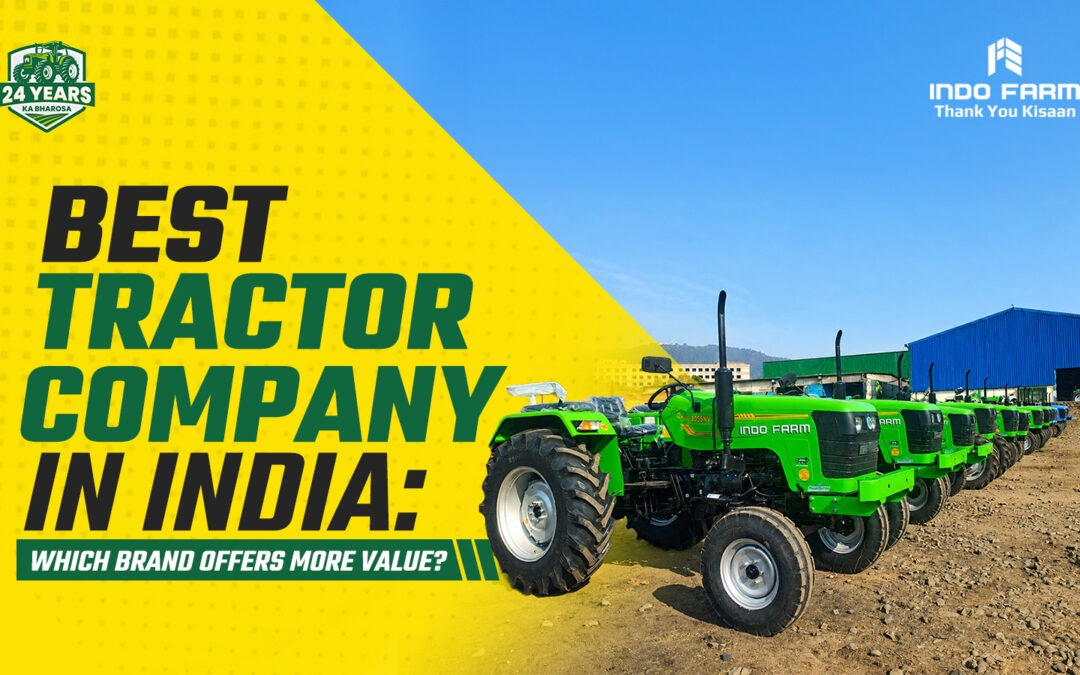
Best Tractor Company in India: Which Brand Provides Better Value
As a farmer, one understands that a tractor is not merely a piece of machinery; it is a reliable partner in all farming activities throughout seasons. Being a dealer, you understand how important it is to recommend the right tractor to build a lasting relationship with clients.
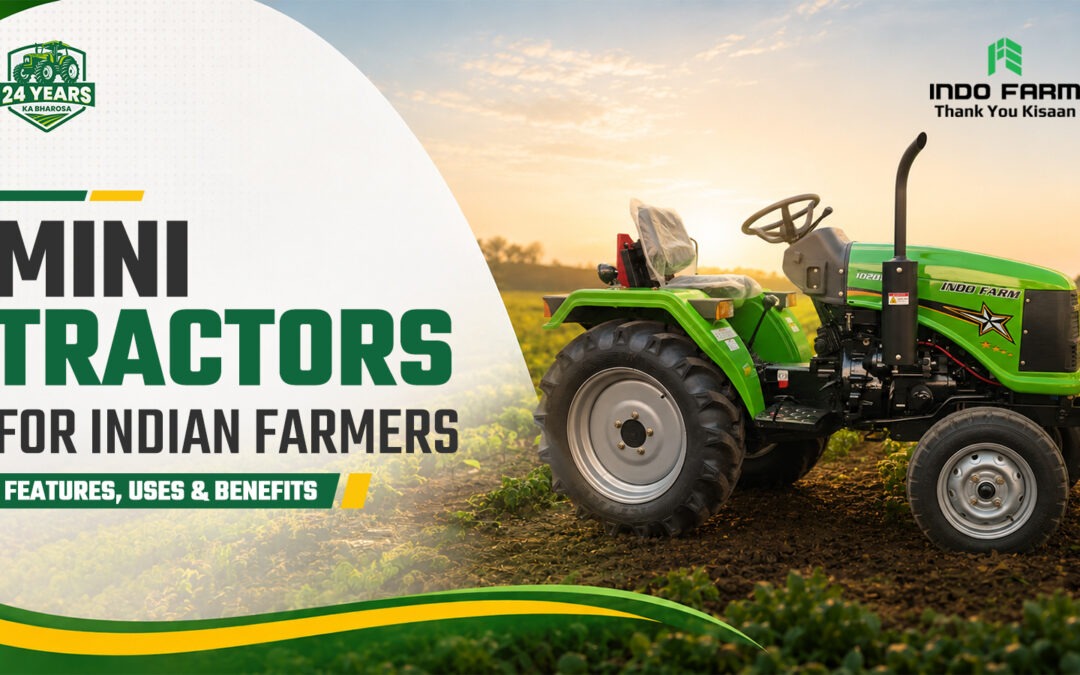
Compact Tractors in India for Small Farms
Farmers are changing their approaches to the use of machinery as modern day farmers change their way of doing business. Large scale farming operations still rely on large machinery, but smaller farming operations have decided that more efficient equipment is more appropriate to their needs.
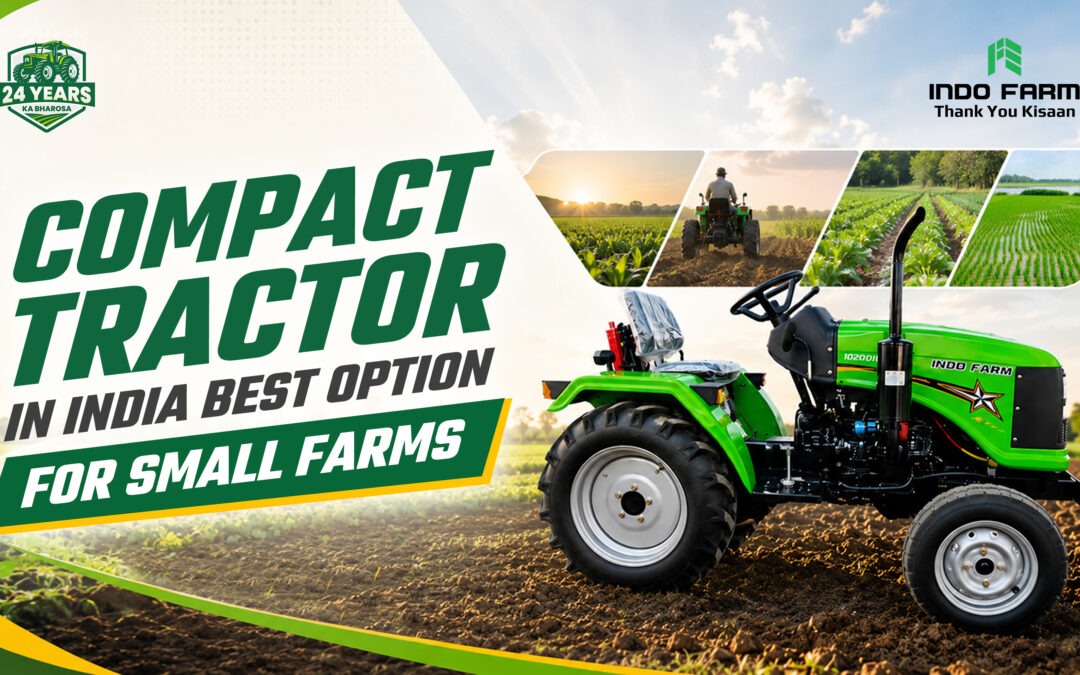
Compact Tractors in India for Small Farms
Farmers are changing their approaches to the use of machinery as modern day farmers change their way of doing business. Large scale farming operations still rely on large machinery, but smaller farming operations have decided that more efficient equipment is more appropriate to their needs.
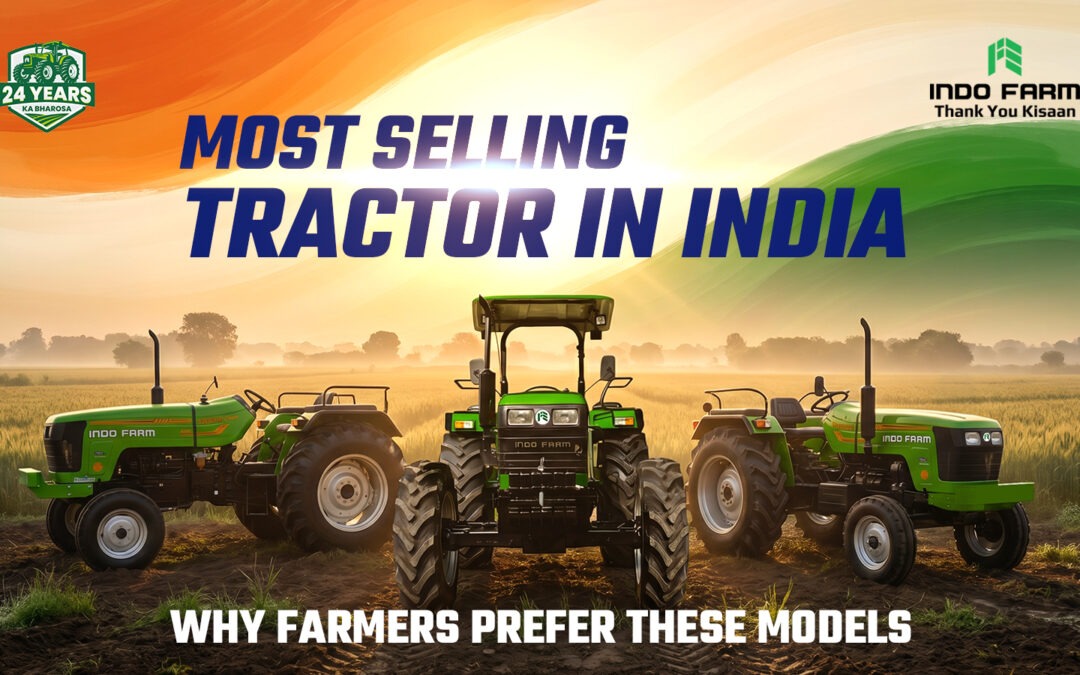
Most Popular Tractors for Farmers in India
Farmers greatly depend on their machinery for productivity, dependability, time savings, and managing the everyday demands of farming operations; a tractor is one of these machines. It isn’t just equipment to use in the field, but rather a working partner in the-day-to-day running of their agriculture business.