
Choosing the best tractor for your needs is an important decision for every farmer. With diverse crops, soils, farm sizes, and agricultural practices across India, the ideal tractor will vary from farmer to farmer.
Indo Farm provides a wide range of tractors to meet the diverse needs of Indian farmers. The right tractor depends on your farm size, crops, soil conditions, implements, terrain and workload.
How to Choose the Best Tractor for Your Farm
1. Define Your Farming Needs
Before you begin tractor hunting, think about the kind of work you do on your farm during different seasons.
- Ploughing
- Sowing
- Cultivation
- Rotavation
- Spraying
- Transportation
Consider your farm size, terrain and typical workload. This will help you choose a tractor with the right level of power and performance.
2. Decide the Right Tractor Horsepower
Horsepower plays an important role when choosing a tractor.
Compact Tractors for Small Farms
Compact tractors can be suitable for small farms, orchards, vineyards and light agricultural work.
Indo Farm provides compact tractors such as 1020 DI and 1026.
30–40 HP Tractors for Regular Farming
For daily farming work, tractors in the 30–40 HP range can be suitable.
Indo Farm models such as 2030 DI, 2035 DI and 3035 DI can be considered for light agricultural work.
Higher HP Tractors for Heavy-Duty Work
For heavy tillage, heavy implements or challenging terrain, a higher-horsepower tractor may be required.
3. Choose Between 2WD and 4WD
Your field conditions and specific requirements should guide the choice between 2WD and 4WD.
When to Choose a 2WD Tractor
A 2WD tractor can be suitable for general agricultural work on firm and level land.
When to Choose a 4WD Tractor
4WD tractors can provide greater pulling power in sloping or difficult field conditions and can be suitable for demanding implements and heavy-duty work.
Indo Farm offers a range of 4WD tractors for different agricultural requirements.
4. Consider Your Crops
Different crops have different power and manoeuvrability requirements.
Orchards and Vineyards
Compact tractors can be suitable for working between smaller rows while providing the required power and manoeuvrability.
Cereals and Other Field Crops
Crops such as wheat and paddy may require tractors with sufficient power and versatility for cultivation, sowing, tillage, spraying and transportation.
Challenging Terrain and Heavy Haulage
Larger, higher-powered tractors may be required for challenging terrain, heavy implements and greater haulage requirements.
5. Consider the Implements You Use
Always consider the implements you currently use as well as those you may need in the future.
Common tractor implements include:
- Rotavators
- Cultivators
- Ploughs
- Seed drills
- Sprayers
- Trailers
- PTO-driven machines
Make sure the tractor and implement combination meets your power and performance requirements.
Indo Farm Tractor Series
Indo Farm offers tractors across different power outputs and series to meet varying agricultural requirements.
Choosing the Right Indo Farm Tractor
Once you understand your requirements, you can shortlist Indo Farm tractor series based on:
- Farm size
- Horsepower
- Crops
- Soil conditions
- Terrain
- Implements
- Workload
Small, Medium and Large Farm Tractor Considerations
Small Farms
Compact tractors can be considered for small farms, orchards, vineyards and light agricultural work.
Examples: 1020 DI, 1026
Medium-Sized Farms
Tractors in the 30–60 HP range can be considered for a variety of regular agricultural operations.
Examples: 2030 DI, 2035 DI, 2042 DI, 3035 DI, 3045 DI, 3040 DI, 3048 DI, 3055 NV, 3055 DI HT and 3060 DI HT.
Heavy-Duty Farming
Higher-powered tractors can be considered for heavy tillage, demanding implements and challenging agricultural conditions.
Examples: 3065 DI, 3075 DI, 3090 DI, 4175 DI and 4190 DI.
Final Thoughts
The best tractor for your farm depends on your farm size, crops, soil, implements, terrain and workload.
Instead of considering only horsepower and cost, evaluate your complete agricultural requirements before purchasing a tractor. The right tractor can help you carry out farming operations efficiently and meet your day-to-day requirements.
Indo Farm provides a diverse range of tractors with different power outputs for varying agricultural needs.
FAQs
1. Which Indo Farm tractor is best suited for small farms?
Indo Farm’s compact tractors such as 1020 DI and 1026 can be suitable for small farms, orchards, vineyards and light agricultural work.
2. Which Indo Farm tractor is best suited for medium-sized farms?
Indo Farm tractors in the 30–60 HP range, such as 2035 DI, 2030 DI, 2042 DI, 3035 DI, 3045 DI, 3040 DI, 3048 DI, 3055 NV, 3055 DI HT and 3060 DI HT, can be considered for medium-sized farms.
3. Is a 4WD tractor better than a 2WD tractor?
It depends on your specific requirements and field conditions. 4WD tractors can be suitable for sloping or difficult field conditions, while 2WD tractors can be suitable for conventional farming on firm and level land.
4. How much horsepower do I need for farming?
The required horsepower depends on factors such as farm size, crops, soil, implements and workload. Lower-horsepower tractors can be suitable for lighter agricultural work, while higher horsepower may be required for heavy tillage and heavy implements.
5. Which Indo Farm tractor is best for heavy-duty work?
Indo Farm’s high-powered tractors such as 3065 DI, 3075 DI, 3090 DI, 4175 DI and 4190 DI can be considered for heavy-duty agricultural work.
6. What should I look for before buying a tractor?
Consider horsepower, PTO requirements, lifting capacity, transmission, traction, fuel efficiency, implement compatibility, maintenance and after-sales service.
7. Why should I choose Indo Farm tractors?
Indo Farm offers tractors with different power outputs for different agricultural requirements. Farmers can consider their farm size, crops, implements, terrain and workload when selecting a suitable tractor.
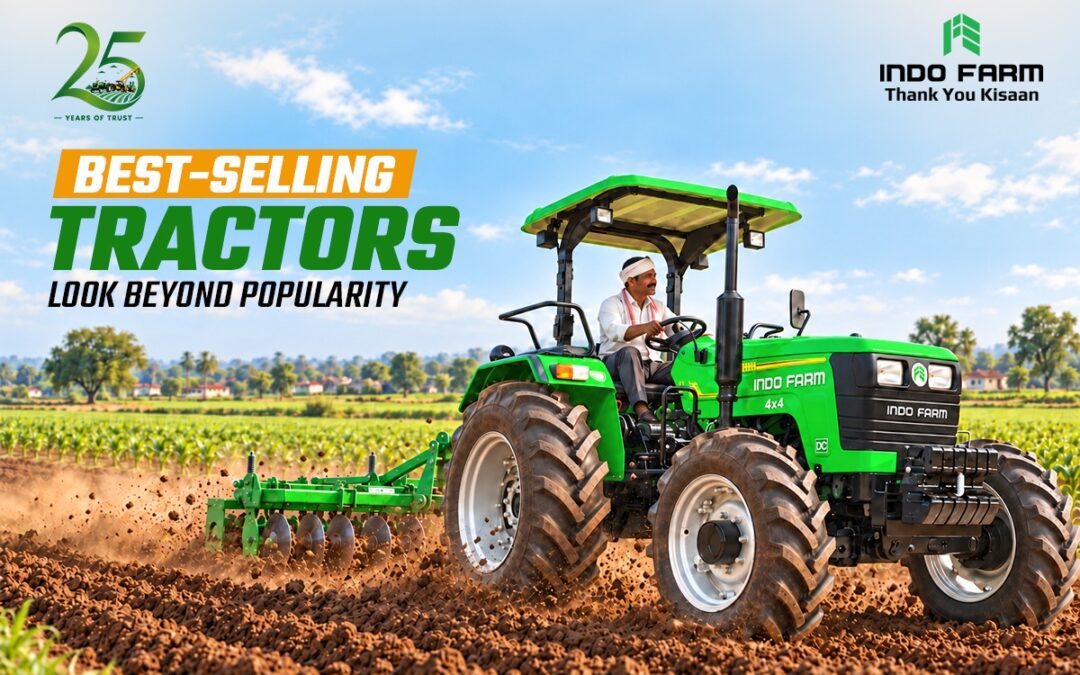
Best Selling Tractors in India: A Guide to Smart Buying
For Indian farmers, tractors are indispensable tools for use in almost all agricultural functions, such as tillage, sowing, hauling and harvesting. Due to the wide range of choices available to them, buyers often make their decisions based solely on the popularity of the tractor in terms of sales, which can, to an extent, represent the demand for the product in the market. However, while popular tractors might reflect consumer needs, it does not imply that they will be suitable for farm purposes.
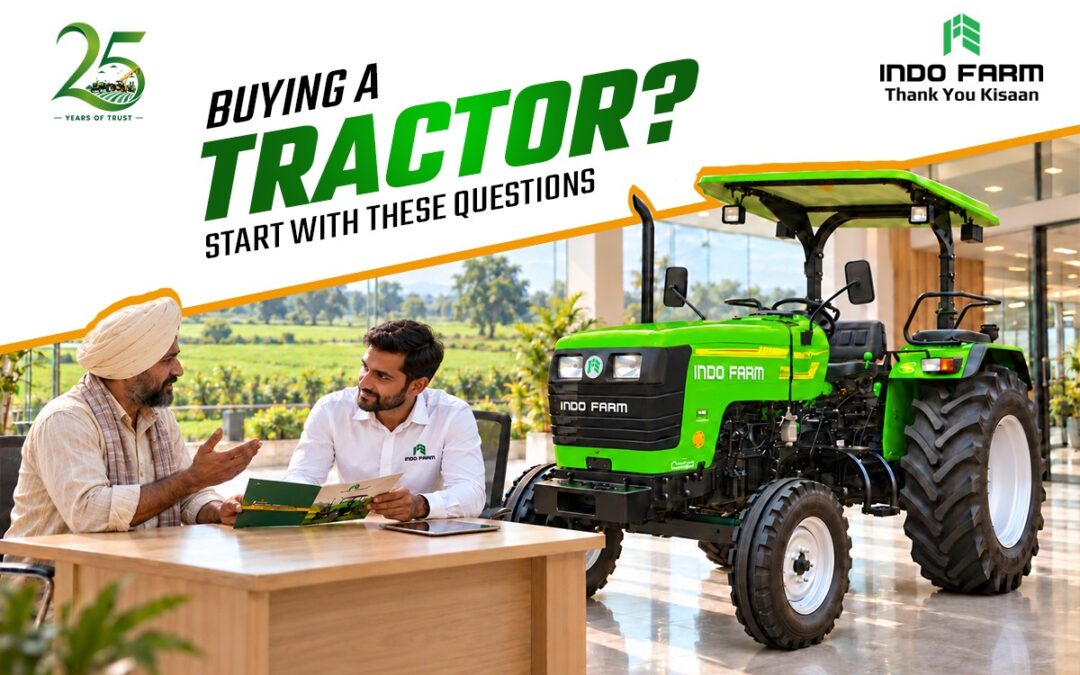
How to choose a tractor dealer in India: Questions to ask before buying
Investing in a tractor is significant for farmers. A well-selected tractor will allow the farmers to enhance the productivity of their farming operations and help them with their daily farming needs. Nevertheless, the selection of the right tractor is just one step in the purchase decision. The tractor dealers whom you deal with are equally vital as it can provide you with correct information, effective recommendations and necessary after-sales services.
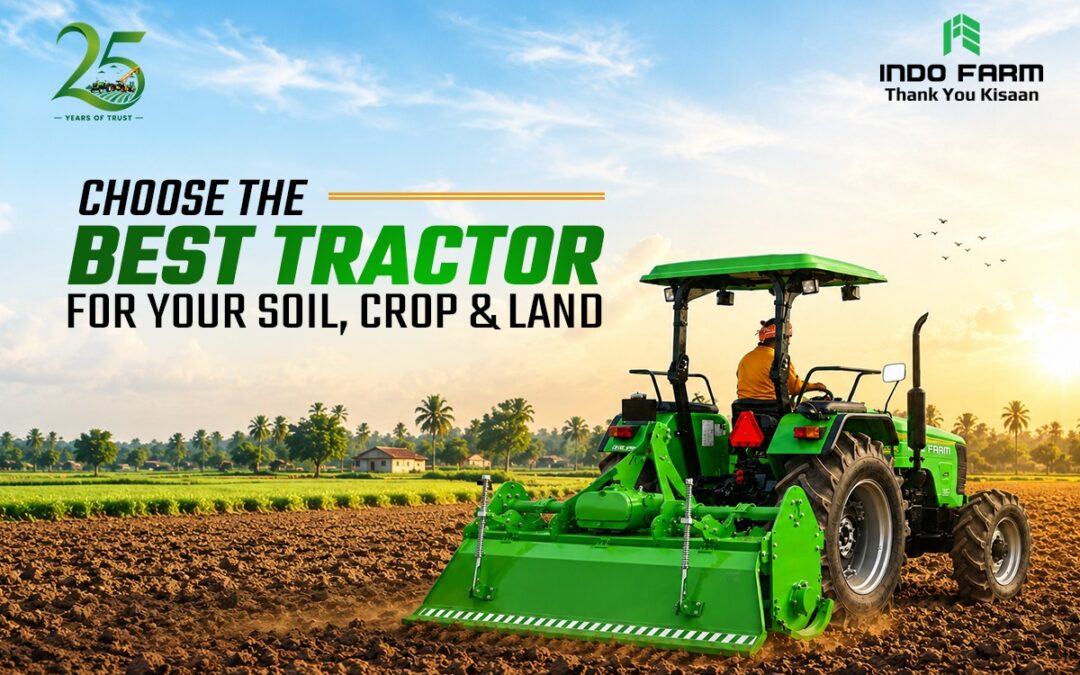
Best Tractor for Agriculture in India: How Soil Type, Crop and Terrain Affect Your Choice
The agriculture sector is crucial to the Indian economy, and tractors are essential in this field to help farmers with various agriculture activities such as soil preparation, sowing and post-harvest handling and carting of agricultural products. Farmers should buy an appropriate tractor after taking into account the agricultural purpose and operational circumstances since there are many tractor models and designs available in the market.
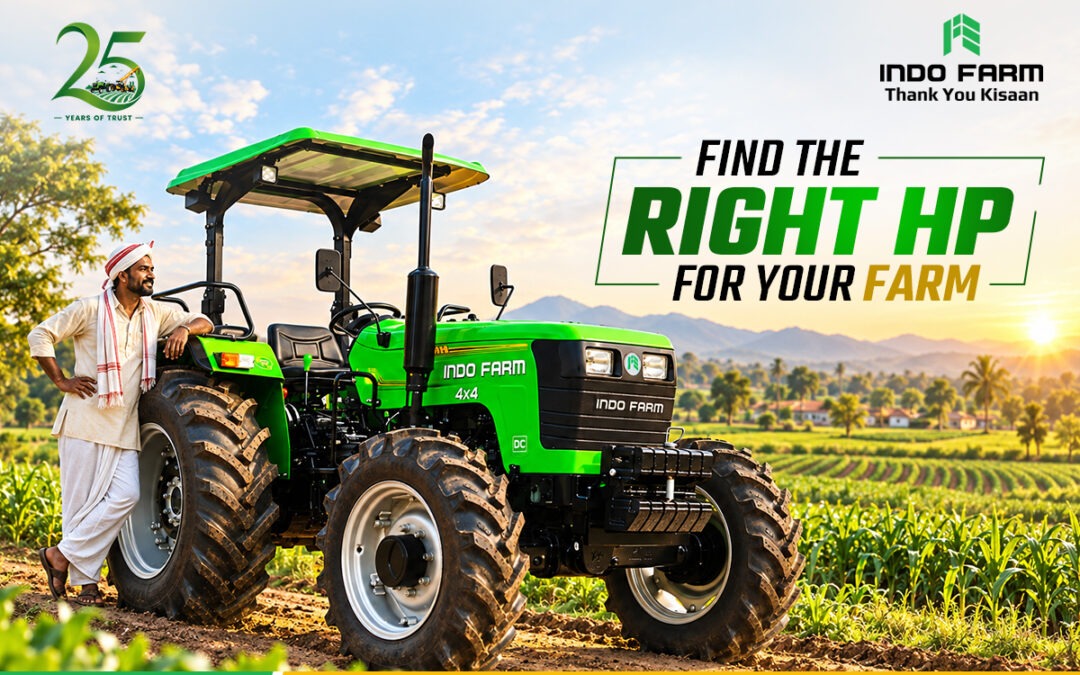
Tractors for Agriculture: Selecting the Correct Horsepower Based on Land size
Selecting the appropriate tractor is an essential matter for a farmer who wants to maximise production, manage agricultural practices properly and control operational cost elements. One of the primary elements of tractor selection is horsepower. The appropriate horsepower determines how efficiently the tractor can perform field preparation, cultivation, planting, transportation and other agricultural tasks.
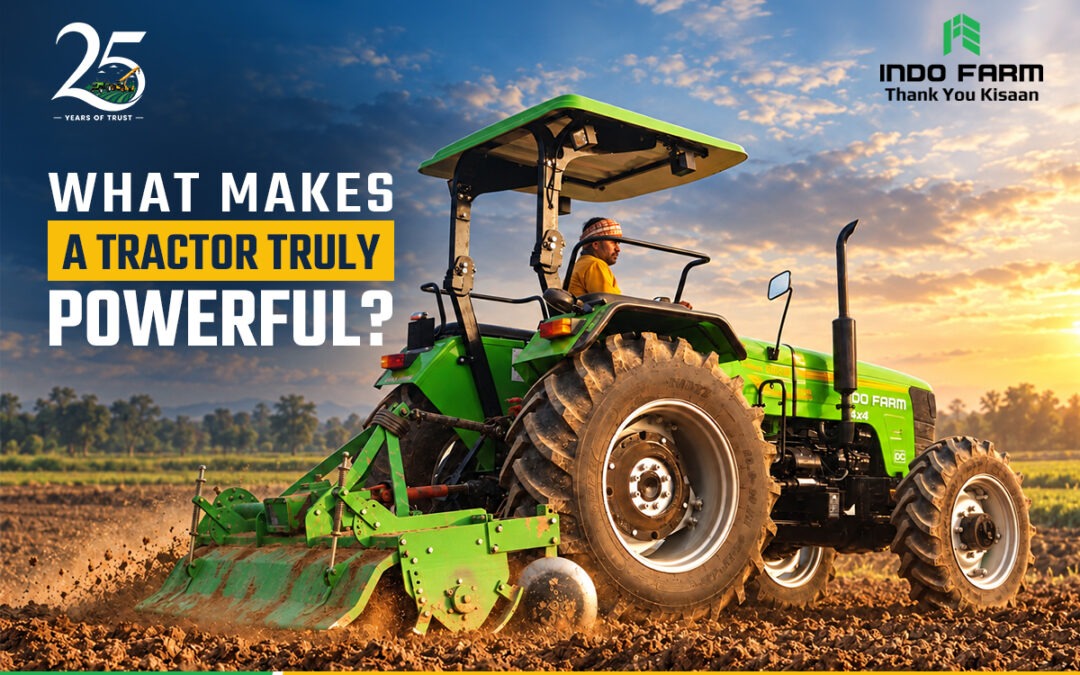
The Most Powerful Tractors in India: What Makes a Tractor Efficient for Heavy Duties
The Indian agricultural sector needs reliable machinery to perform heavy agricultural tasks and deliver peak performance on the field under difficult weather conditions with heavy loads. Farmers need to carry out various tasks ranging from deep cultivation and preparation of land to carrying farm outputs and handling special equipment, which means that they want tractors, which can do the work optimally. A proper farming tractor will improve productivity, reduce manual labour and help do important agricultural work on time.
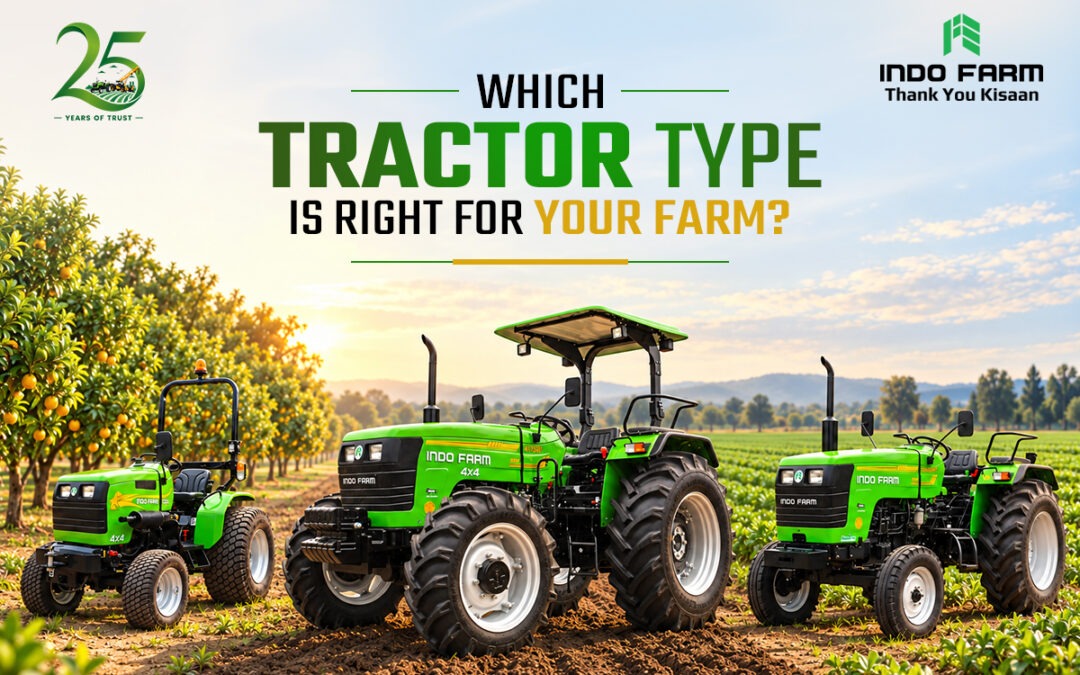
Understanding Compact Tractors for Small Farms: Their Uses & Features
Small farms need practical farming machinery that helps in executing tasks such as ploughing fields, transporting materials, managing orchards and doing inter-row operations. There is a need for machinery that is reliable and versatile at the same time. Thus, compact tractors become a good option to help small farmers perform these farming tasks.
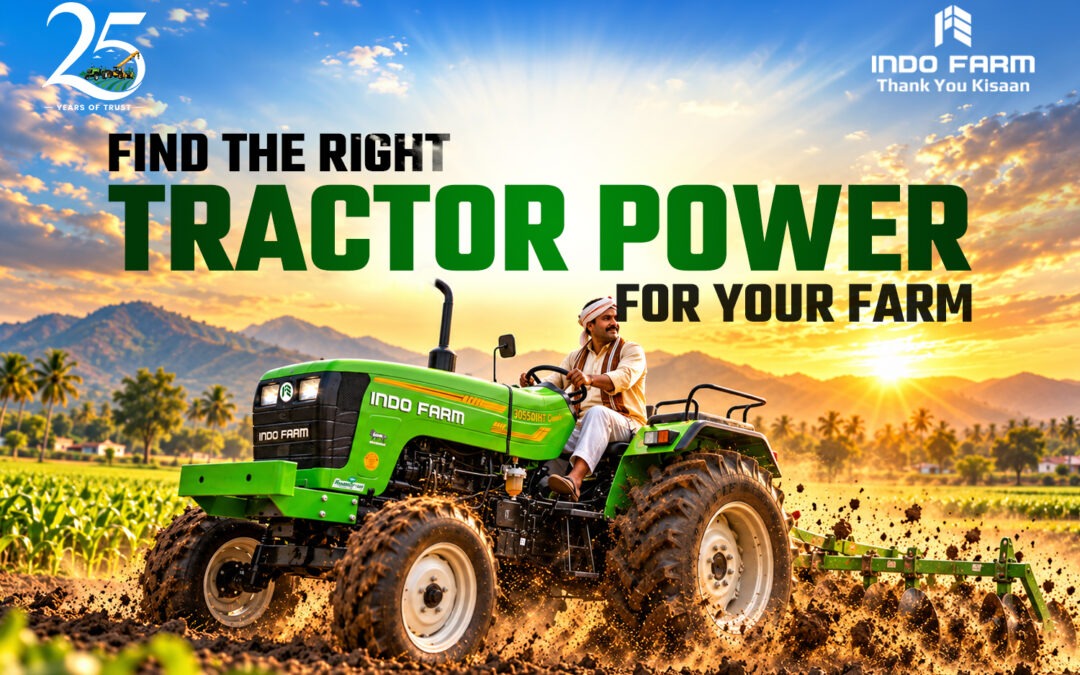
Compact Tractors for Small Farms: Features, Usage and Buying Considerations
Farmers must choose farm machines that are practical in terms of performance without incurring extra operational costs or operating issues in smaller areas. Selecting the right tractor is essential for farmers with little plots of land, small orchards, vegetable patches or multi-crop fields where success with each crop is crucial.
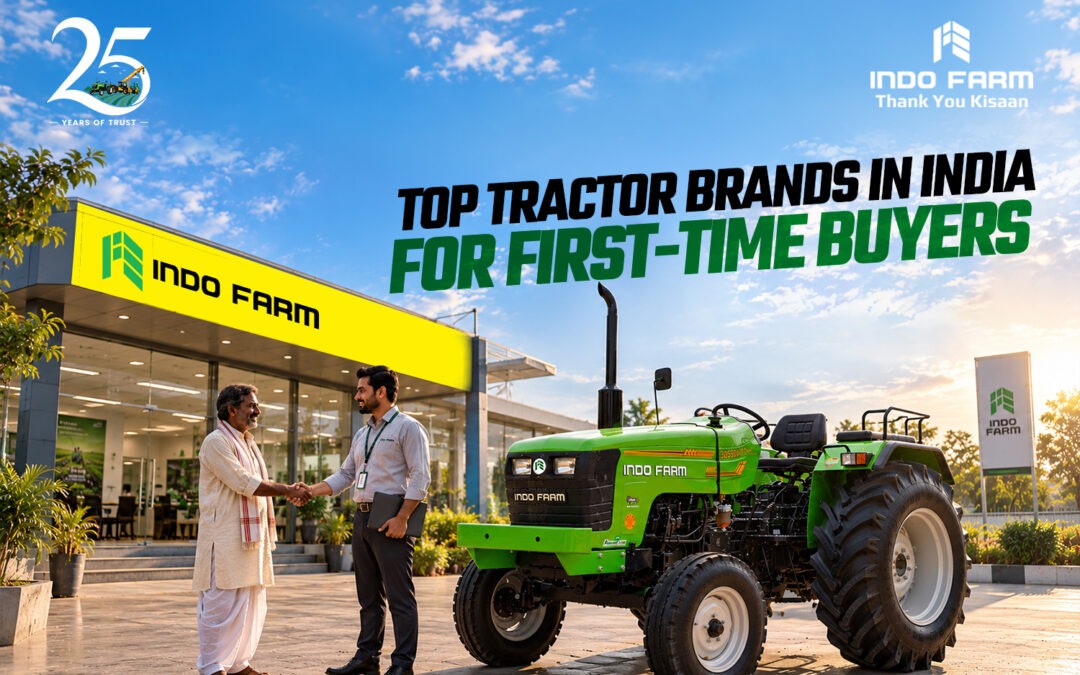
Best Tractor Brands in India for First-Time Tractor Buyers: Key Factors to Consider
If you are a first-time buyer looking to purchase your first tractor, it is important to think about what kind of tractor you want before making a purchase decision. A tractor is not only a farming tool; it is also a long-term financial investment.
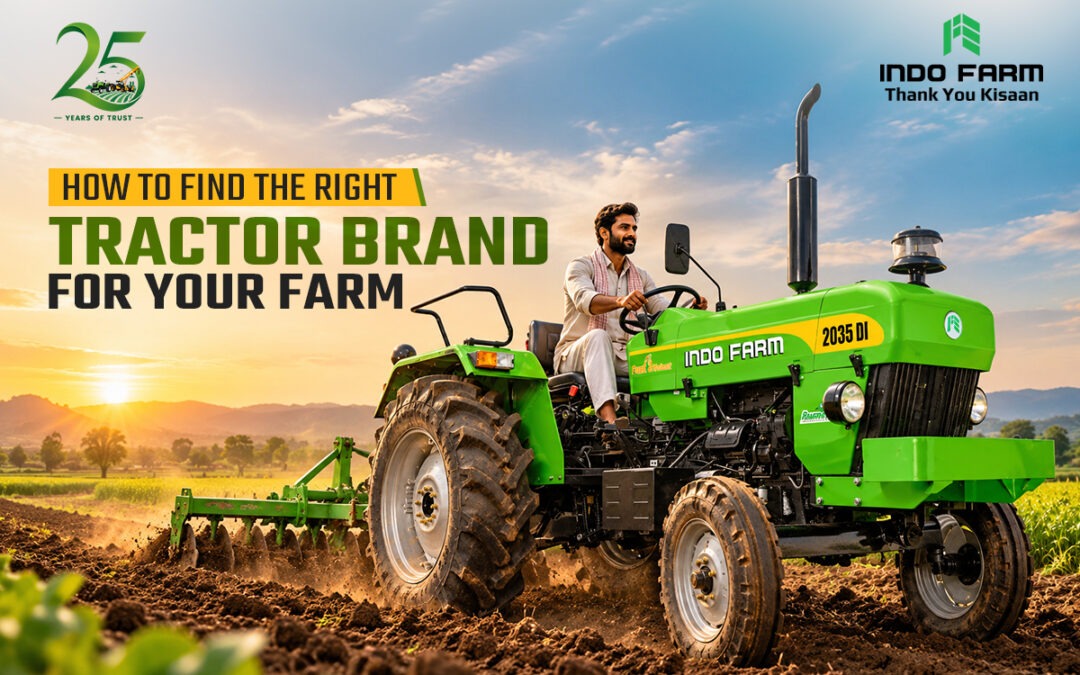
Best Tractor Brands in India For Various Agricultural Operations
Buying a tractor is never an easy task for every farmer. It is a highly expensive acquisition that significantly impacts the agricultural yield of the field.
Depending upon the nature of the crop, size of the land, type of implement and other various factors, a farmer needs a suitable tractor that caters to all power and performance demands.
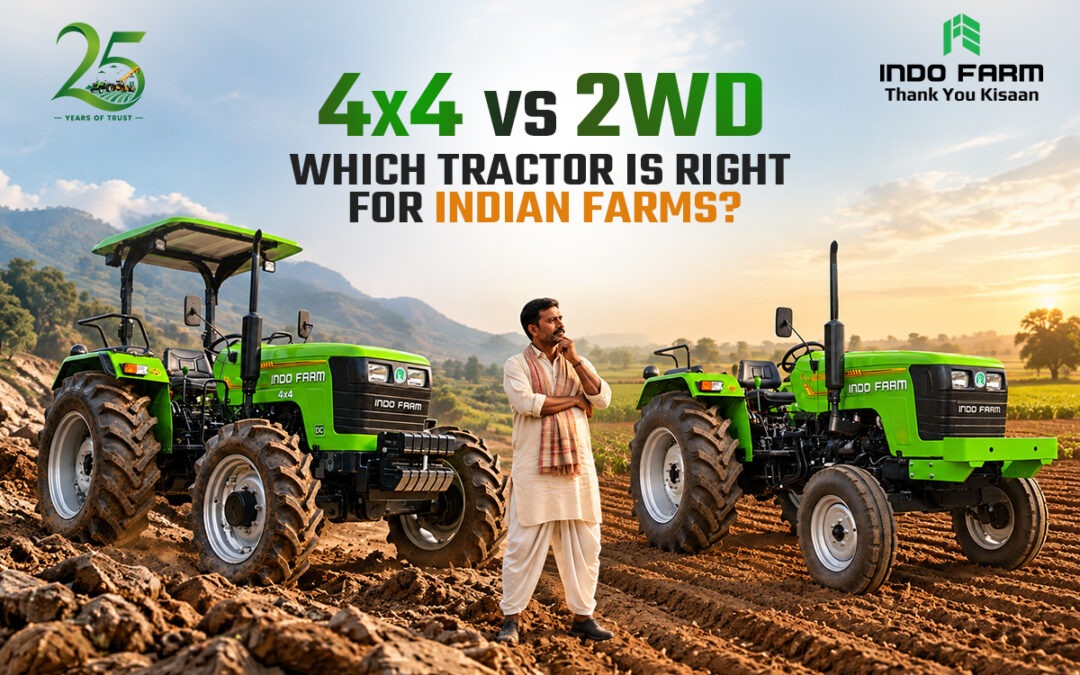
4×4 Tractor Vs 2WD Tractor: Which One Is Better for Indian Farm Conditions?
Indian farming cover types of soil, crops and land shapes. Soil can be dry, sandy, wet or uneven. Some fields are orchards; some are sloped. Farmers need tractors that can work well in these conditions. The choice between a 4×4 tractor and 2WD tractor depends on farming aspects.