
The agriculture sector is crucial to the Indian economy, and tractors are essential in this field to help farmers with various agricultural activities such as soil preparation, sowing, post-harvest handling and transporting agricultural products. Farmers should buy an appropriate tractor after taking into account the agricultural purpose and operational circumstances since there are many tractor models and designs available in the market.
Thus, when seeking the best tractor for agriculture in India, farmers need to consider different factors including horsepower, torque, fuel efficiency, implement compatibility, durability and maintenance costs, among others. Knowing these features helps farmers pick a tractor that provides dependable performance throughout the agricultural season.
Importance of Getting the Right Tractor
Every farm has different operational needs. In general, smaller farms require tractors suited for small farming activities like agriculture and transport, while large farms require more powerful tractors for heavier land preparation with bigger implements.
Getting the right tractor is essential since it helps farmers utilise resources efficiently. Operating a tractor with insufficient horsepower can negatively impact productivity, while operating a tractor with too much horsepower will unnecessarily increase purchasing and operating costs.
The correct power of the tractor will depend on site-specific factors such as farm size, soil conditions, growing crops, available implements and total hours of operation.
Key Factors to Consider When Choosing the Best Tractor for Agriculture
1. Engine Power in Horsepower
Horsepower is an important specification to evaluate when selecting a tractor since it determines the tractor’s working capacity and which tasks can be performed by the tractor.
Lower horsepower tractors are more suitable for lighter tasks, small fields and common agricultural operations, while medium to high horsepower tractors can be used for heavier tasks such as deep ploughing, heavy cultivation and operating larger implements.
Farmers should select tractor horsepower based on their specific working requirements instead of choosing a tractor only based on horsepower.
2. Torque and Engine Performance
Torque is the rotational force produced by the tractor engine and must be considered when pulling various implements and working against soil resistance in hard and compacted soil.
A tractor can maintain performance under different loads depending on the torque capability of its engine. Therefore, proper torque must be considered when selecting a tractor along with horsepower, transmission type and the nature of agricultural work.
3. Fuel Efficiency
Fuel costs are a significant part of the total cost of operating agricultural machinery. Therefore, a tractor capable of consuming fuel efficiently can help farmers control their operating costs effectively. Using suitable implements and maintaining proper servicing schedules can also improve operational efficiency.
Before making a decision, evaluating the expected operating costs is important rather than relying only on advertised performance.
4. Hydraulic Lifting Capacity
The hydraulic lifting capacity of a tractor helps determine the total weight that its hydraulic system can lift under specific conditions. This is a vital feature when using mounted implements such as cultivators, ploughs and other agricultural equipment.
Farmers should be aware of the rated lifting capacity and its compatibility with the implements they already own or plan to use. Proper hydraulic lifting capacity helps manage implement operations efficiently.
5. Transmission and Gear Options
The transmission of a tractor plays an important role in transferring engine power to the wheels and selecting different speeds for various agricultural tasks.
Low-speed operations are useful for certain field activities, while transportation may require higher speeds. Suitable gear options can help farmers adapt to changing field conditions.
When comparing tractors, consider ease of operation and the available gear combinations.
6. Durability and Maintenance
Agricultural machines have to operate for many hours in tough working conditions. Therefore, strong design and good-quality materials are essential for accomplishing these tasks.
However, durability can only be maintained through proper maintenance. Every farmer must ensure scheduled maintenance of their machinery, including regular checks of oil levels, tyre pressure and tractor servicing.
How Indo Farm Has Been Serving the Needs of Farmers
Indo Farm has come up with tractor solutions designed to address the needs of farmers. Farmers should carefully evaluate the specifications of the tractors they plan to use and ensure that these specifications meet their requirements.
Farmers need to check the engine horsepower, torque, lifting capacity, transmission, fuel consumption and availability of suitable implements. These aspects will help them decide whether a tractor is appropriate for farming, transportation or other applications.
Guidelines for Choosing an Indo Farm Tractor in India
Before purchasing a tractor, farmers should assess their requirements in detail.
Know Your Land Area
Calculate the required horsepower based on your farm area and agricultural work requirements.
Know Your Soil Type
Heavy, wet and compacted soil may require different tractor designs with suitable traction and pulling power.
Know Your Implements
Check whether the tractor can operate the agricultural implements you need. Horsepower is only one consideration. Farmers should also evaluate engine performance, torque rating, fuel consumption and operating systems.
Conclusion
Ultimately, the ideal tractor will deliver the desired results without compromising operating costs. Choosing the best tractor for agriculture in India depends on your farm size, soil conditions, crop requirements and budget. By evaluating horsepower, fuel efficiency, durability and implement compatibility, farmers can make informed decisions.
Indo Farm offers tractor solutions designed to support diverse farming and transportation needs. Connect with an authorised Indo Farm dealer to explore suitable models and find the right tractor for your farm.
Farmers can also approach an Indo Farm dealer to get complete details about available models, specifications, service facilities and warranty details. Tractor selection requires evaluating specifications to determine compatibility with specific agricultural operations.
Frequently Asked Questions (FAQs)
1. What is the best tractor for agriculture in India?
Farmers must consider various factors when selecting a tractor, including land size, crop requirements, soil types and budget. Tractors must be carefully selected based on specifications suitable for specific agricultural operations.
2. What horsepower is appropriate for agriculture?
Horsepower requirements depend on the task. Smaller activities may need less horsepower, while heavy tilling and larger implements require higher horsepower. Implement specifications will help determine the required horsepower.
3. Why should I care about fuel consumption efficiency when purchasing a tractor?
Fuel efficiency greatly affects operating costs because tractors can operate for long hours. Efficient fuel consumption helps farmers reduce expenses.
4. What is the hydraulic lifting capacity of a tractor?
The hydraulic lifting capacity of a tractor refers to the maximum weight its hydraulic system can lift under specified conditions. It is necessary to select the correct lifting capacity for the intended agricultural implements.
5. How can farmers keep their tractors in good working condition?
Farmers should follow a scheduled maintenance plan that includes checking coolant levels, engine oil and other essential components.
6. What factors should I consider when purchasing an Indo Farm tractor?
Farmers should evaluate horsepower, torque, transmission, fuel consumption, hydraulic capacity and maintenance requirements before purchasing an Indo Farm tractor.
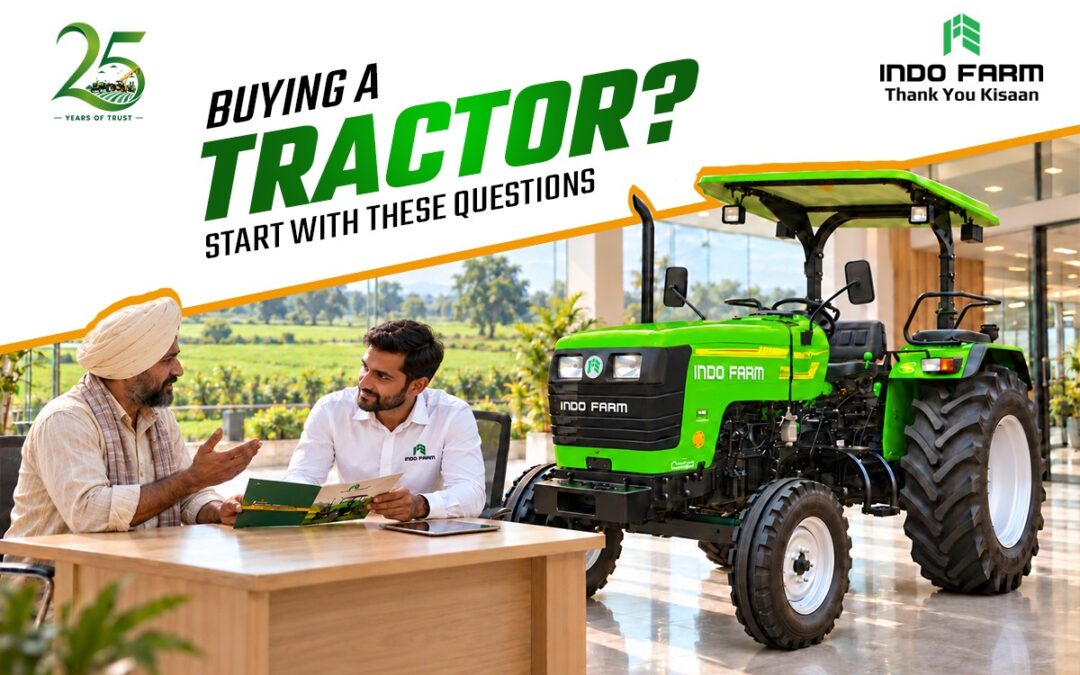
How to choose a tractor dealer in India: Questions to ask before buying
Investing in a tractor is significant for farmers. A well-selected tractor will allow the farmers to enhance the productivity of their farming operations and help them with their daily farming needs. Nevertheless, the selection of the right tractor is just one step in the purchase decision. The tractor dealers whom you deal with are equally vital as it can provide you with correct information, effective recommendations and necessary after-sales services.
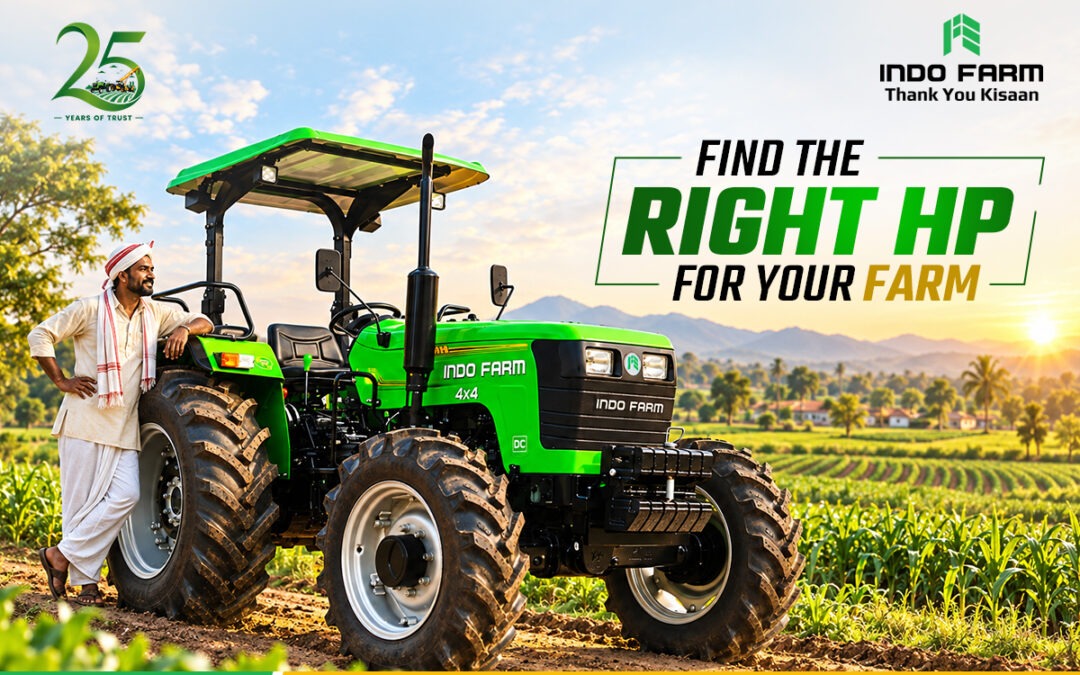
Tractors for Agriculture: Selecting the Correct Horsepower Based on Land size
Selecting the appropriate tractor is an essential matter for a farmer who wants to maximise production, manage agricultural practices properly and control operational cost elements. One of the primary elements of tractor selection is horsepower. The appropriate horsepower determines how efficiently the tractor can perform field preparation, cultivation, planting, transportation and other agricultural tasks.
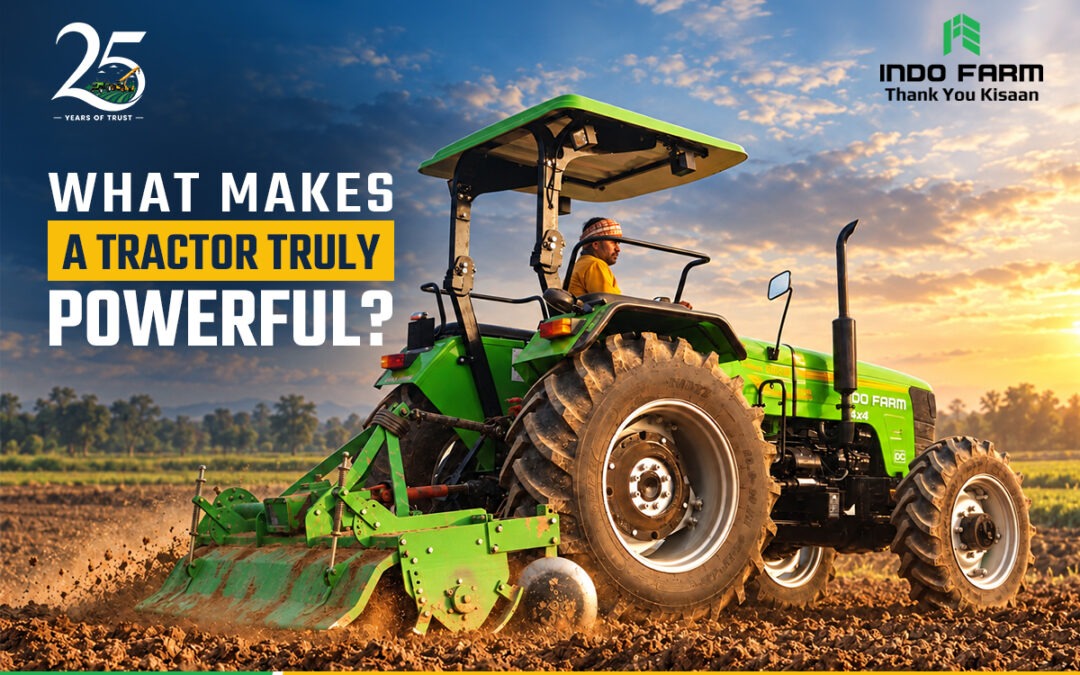
The Most Powerful Tractors in India: What Makes a Tractor Efficient for Heavy Duties
The Indian agricultural sector needs reliable machinery to perform heavy agricultural tasks and deliver peak performance on the field under difficult weather conditions with heavy loads. Farmers need to carry out various tasks ranging from deep cultivation and preparation of land to carrying farm outputs and handling special equipment, which means that they want tractors, which can do the work optimally. A proper farming tractor will improve productivity, reduce manual labour and help do important agricultural work on time.
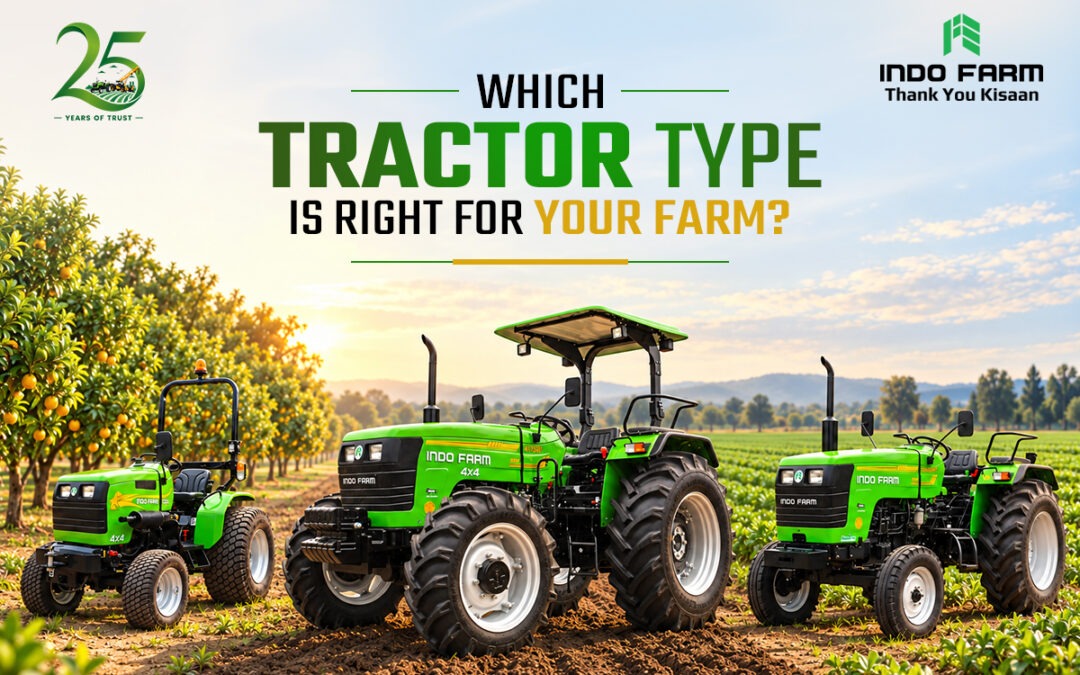
Understanding Compact Tractors for Small Farms: Their Uses & Features
Small farms need practical farming machinery that helps in executing tasks such as ploughing fields, transporting materials, managing orchards and doing inter-row operations. There is a need for machinery that is reliable and versatile at the same time. Thus, compact tractors become a good option to help small farmers perform these farming tasks.
Compact Tractors for Small Farms: Features, Usage and Buying Considerations
Farmers must choose farm machines that are practical in terms of performance without incurring extra operational costs or operating issues in smaller areas. Selecting the right tractor is essential for farmers with little plots of land, small orchards, vegetable patches or multi-crop fields where success with each crop is crucial.
Best Tractor Brands in India for First-Time Tractor Buyers: Key Factors to Consider
If you are a first-time buyer looking to purchase your first tractor, it is important to think about what kind of tractor you want before making a purchase decision. A tractor is not only a farming tool; it is also a long-term financial investment.
Best Tractor Brands in India For Various Agricultural Operations
Buying a tractor is never an easy task for every farmer. It is a highly expensive acquisition that significantly impacts the agricultural yield of the field.
Depending upon the nature of the crop, size of the land, type of implement and other various factors, a farmer needs a suitable tractor that caters to all power and performance demands.
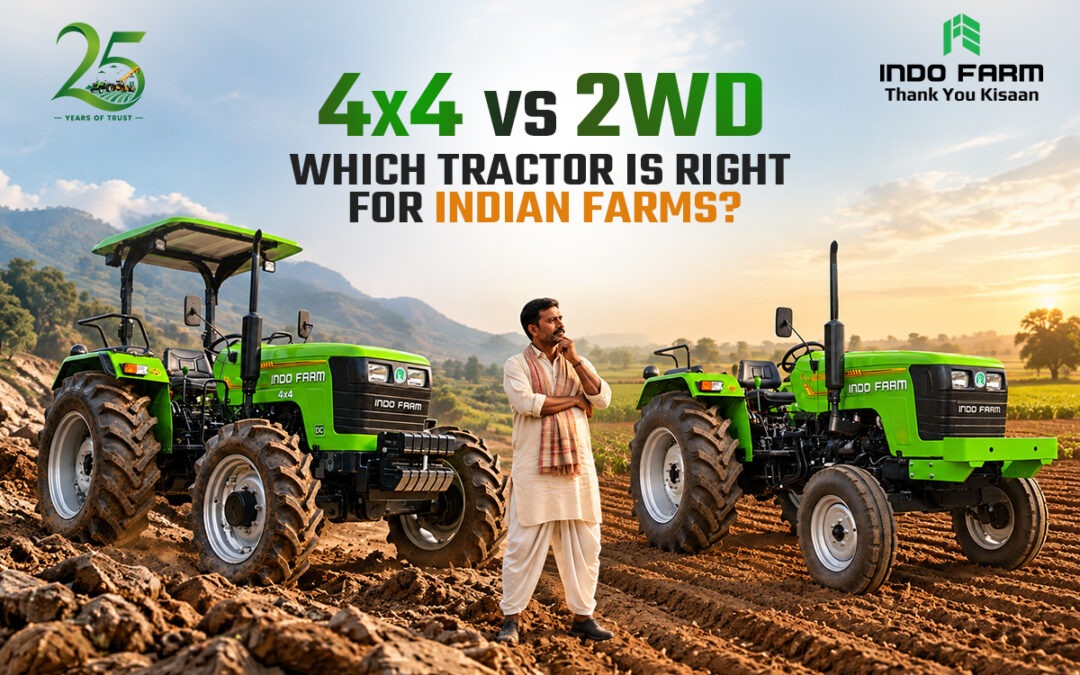
4×4 Tractor Vs 2WD Tractor: Which One Is Better for Indian Farm Conditions?
Indian farming cover types of soil, crops and land shapes. Soil can be dry, sandy, wet or uneven. Some fields are orchards; some are sloped. Farmers need tractors that can work well in these conditions. The choice between a 4×4 tractor and 2WD tractor depends on farming aspects.
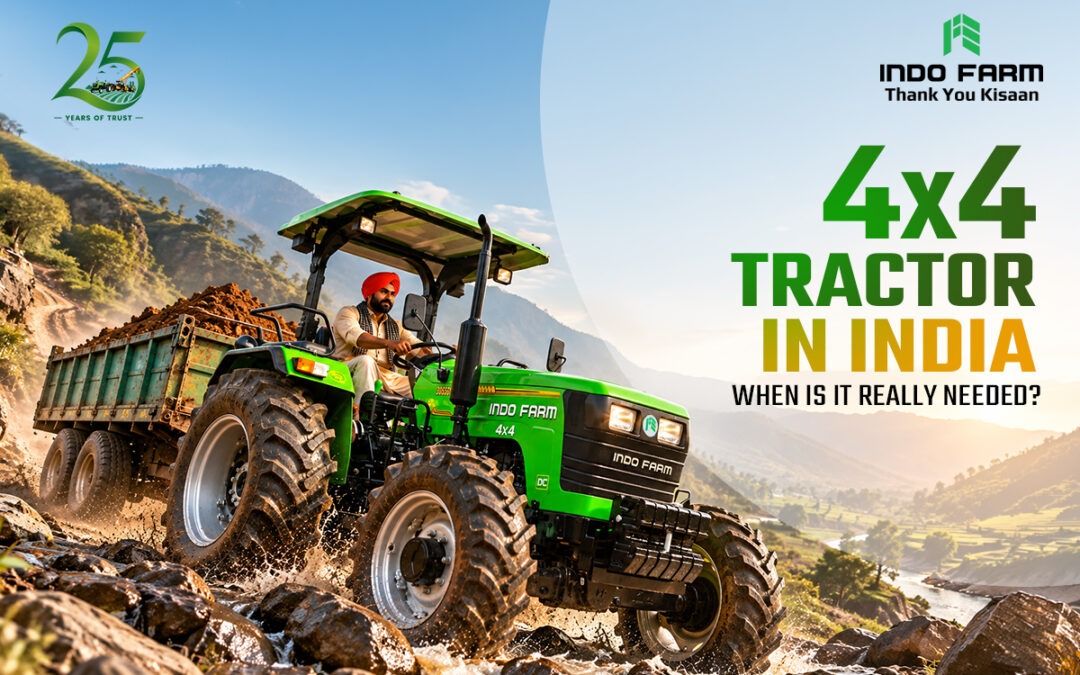
4×4 Tractor in India: When Do Farmers Really Need Four-Wheel Drive?
Indian agriculture involves soil types, different land, different crops and different weather. A tractor that works well on flat land might face different problems in wet, rough or heavy soil. This is where a 4×4 tractor can be helpful. Four-wheel drive gives power to both the back wheels helping improve grip when the field is tough.
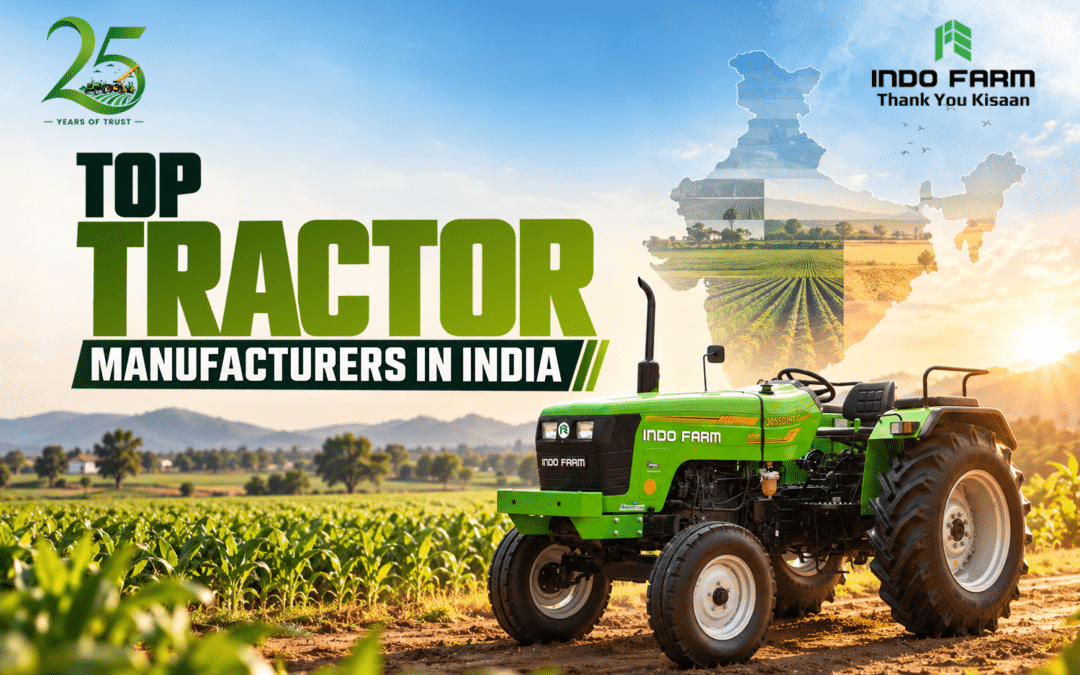
Top Tractor Manufacturers in India for Modern Farming and Agricultural Operations
In India modern farming now relies heavily on machines on being efficient and on equipment that can be trusted. As farms aim for productivity tractor has become a vital tool for tasks from preparing soil and sowing seeds to moving goods and helping with harvest.