
Selecting the appropriate tractor is an essential matter for a farmer who wants to maximise production, manage agricultural practices properly and control operational cost elements. One of the primary elements of tractor selection is horsepower. The appropriate horsepower determines how efficiently the tractor can perform field preparation, cultivation, planting, transportation and other agricultural tasks.
When individuals compare tractors for agriculture, it is crucial to note that the horsepower required depends on many factors other than just land size itself. The conditioning of the soil involved, implement requirement including power-take-off needs, the topography of the land and the type of agricultural work being performed also determine what horsepower is acceptable for the tractor. Choosing the right horsepower is crucial to enable the farmer to maximise the investment made in purchasing the tractor.
The Importance of Horsepower in Tractors
Horsepower describes the output of power from an engine in the amount of work completed. In agricultural applications, it is used as a measure of the ability of a tractor to work with implements and perform demanding tasks.
A tractor that does not have enough horsepower will have difficulty working with larger-sized implements, especially when it comes to working in either compacted or hard soils. This results in a more time-consuming method of work requiring extra stress on the tractor. Conversely, purchasing a tractor designed with more horsepower than required can lead to additional costs associated with the initial purchase price and operating costs without providing any significant advantage to the producer. Selecting a tractor that not only meets the output needs of the farm but also has some additional capacity for unforeseen future missions is recommended.
Horsepower Considerations by Size of Land
When considering power ratings for tractors, one of the most practical factors to consider is land size. The following specifications, however, should be regarded as generalised guidelines at best.
Small Farms
In small farms where loads may not be too heavy, tractors with lower horsepower may suffice in most routine agricultural operations, such as light tillage and cultivation, spraying and haulage, amongst others.
In farms with smaller fields or limited space, compact tractors may have better mobility than larger tractors. When purchasing a tractor, farmers should check the power rating specifications for the tractor to ensure it can meet the most demanding farming operation that they will perform.
Medium Farms
These farms will most likely require tractors with a slightly higher horsepower range due to the fact that they may need to perform numerous farming operations. There are various factors that will help determine the horsepower needs of a farmer, which include type and texture of soil and equipment requirements.
Farmers using different tools and equipment should check the motor horsepower needed for each tool and equipment listed above in order to get a tractor that will be able to efficiently perform most routine farming operations.
Large Farms
For large farms which need an extensive amount of tillage for farming, it may be advisable to go for tractors with greater horsepower ratings to allow for use of wider implements. Higher horsepower ensures adequate power for the tractors operating in tough conditions provided the tractor has proper specifications for hydraulic systems, transmissions, traction and so forth. You should not determine the land area only for making purchase decisions. Other factors, such as the work to be done, available working time, soil conditions or implement type, should also be included.
Consider the Type of Usage
The farming activity type is just as considerable as the land area.
- Ploughing: Hard soil requires more pulling force than loose freshly ploughed soil.
- Cultivation: Required horsepower varies depending on implement size, working depth and soil resistance.
- Sowing: Tractors should have the proper horsepower and travel speed to suit the sowing application.
- Spraying: For many spraying jobs, using smaller tractors may be sufficient depending on equipment and terrain.
- Transportation: Engine horsepower, torque, land conditions, load requirements and braking system specifications all have a bearing on the selection process.
- Operating Heavy Implement: The horsepower required to correspond with the implement specifications.
Knowing the most challenging job on the farm can help to come up with the minimum amount of horsepower necessary.
Soil Conditions and Terrain
Types of soil directly influence the performance of a tractor where loose or sandy soil performs differently from compact clay or clay soil. Also, terrain that is wet, uneven and hilly can affect both traction and stability. For those conditions, driveline configuration, tyre type, weight distribution and ground clearance become critical factors.
Farmers will have to evaluate the conditions where the tractor performs its work. Tractors that perform well under one condition may warrant additional modifications for usage in other regions. Confirm Implement Compatibility
Different types of implements have a significant effect on how much power is required from the tractor. The size and weight can dictate the power output generated by the engine and the ability to lift the implement through hydraulic means. A tractor will require a different amount of power to work with various implements.
When purchasing a tractor, identify what implements you already have available on the farm or are planning to acquire for future work. It is important to check the manufacturer’s horsepower specification, lifting capacity, power take-off requirements and working limitations.
By ensuring that the implements are correctly matched, it can help eliminate excessive loading and make the most efficient use of time spent in the field. It can also help to avoid choosing a tractor that will not work with the implements necessary for farming.
Find the Right Balance Between Horsepower, Fuel Efficiency and Maintenance
Choosing tractors involves finding the right balance between performance and operating costs. A higher horsepower machine does not necessarily mean that it will be more cost-effective or efficient in a certain application. Fuel usage depends on engine design, the type of load being pulled, the soil conditions, the implement being used and the way the tractor is operated. Regular maintenance also plays an important part in efficiency rates.
Farmers should calculate the cost of the equipment they are planning to purchase, the expected fuel consumption, the servicing frequency and costs, spare parts availability, warranty and support level before making a decision. Working the tractor at the right speeds and servicing it in accordance with the manufacturer’s recommendations will help to keep costs under control.
Make a Practical Selection for Your Needs
Before picking up a tractor, farmers should assess their normal workload and prime instrument usage. Assessing both the existing agricultural requisites and the expected developments in the agricultural sector in future is necessary.
A farmer who aims at growing the area under farming could require different horsepower specifications due to his increased operations while at the same time a farmer whose work only involves light farming may simply require commercial tractors. The procedure to evaluate the requirements involves looking for information on each tractor to find one that meets the specific requirements.
Determining the horsepower requirements of tractors
Horsepower should be one of the important criteria for evaluating tractors. The farmer’s land size is critical in choosing a tractor, but other factors including soil type, nature of agricultural activities, machinery compatibility, type of terrain and operating costs are very important.
Farmers with small farming enterprises can use tractors built to meet light working conditions while those with medium and large farming enterprises should use more powerful tractors for strenuous work. However, it has been established that the tractor with maximum horsepower may not be the best for the farmer instead, the best option should address the farmer’s specifications in absolute terms. Considering all the things above allows the farmer to make good decisions before purchasing.
Frequently Asked Questions
What is the horsepower requirement of tractors in agriculture?
You will need to consider the type of land, soil condition, farming operations, tractors required for various operations and expected availability of tractors.
Are tractors with higher horsepower always better?
No, because although high horsepower tractors are usually required for heavy work, a higher horsepower means higher cost of purchase and functioning.
What horsepower should be considered on a small farm?
Horsepower consideration depends on the type of farm operations, soils and machinery used for farming. In many case lower horsepower tractors can be used as a solution to light tillage, ambushing agriculture and routine transport.
Is there an influence of soil type on horsepower requirement for tractor use?
Yes, compaction type of soil requires higher horsepower due to soil stability.
How does compatibility of implementing a tractor is going to pull significance in determining the horsepower needs?
Each implement has a particular horsepower, hydraulic and power requirements which should be observed.
How can a tractor be used in many operations on farms?
A tractor can be used in various operations including cultivation, planting, harvesting and transportation by selecting the proper machine.
How to choose a tractor dealer in India: Questions to ask before buying
Investing in a tractor is significant for farmers. A well-selected tractor will allow the farmers to enhance the productivity of their farming operations and help them with their daily farming needs. Nevertheless, the selection of the right tractor is just one step in the purchase decision. The tractor dealers whom you deal with are equally vital as it can provide you with correct information, effective recommendations and necessary after-sales services.
Best Tractor for Agriculture in India: How Soil Type, Crop and Terrain Affect Your Choice
The agriculture sector is crucial to the Indian economy, and tractors are essential in this field to help farmers with various agriculture activities such as soil preparation, sowing and post-harvest handling and carting of agricultural products. Farmers should buy an appropriate tractor after taking into account the agricultural purpose and operational circumstances since there are many tractor models and designs available in the market.
The Most Powerful Tractors in India: What Makes a Tractor Efficient for Heavy Duties
The Indian agricultural sector needs reliable machinery to perform heavy agricultural tasks and deliver peak performance on the field under difficult weather conditions with heavy loads. Farmers need to carry out various tasks ranging from deep cultivation and preparation of land to carrying farm outputs and handling special equipment, which means that they want tractors, which can do the work optimally. A proper farming tractor will improve productivity, reduce manual labour and help do important agricultural work on time.
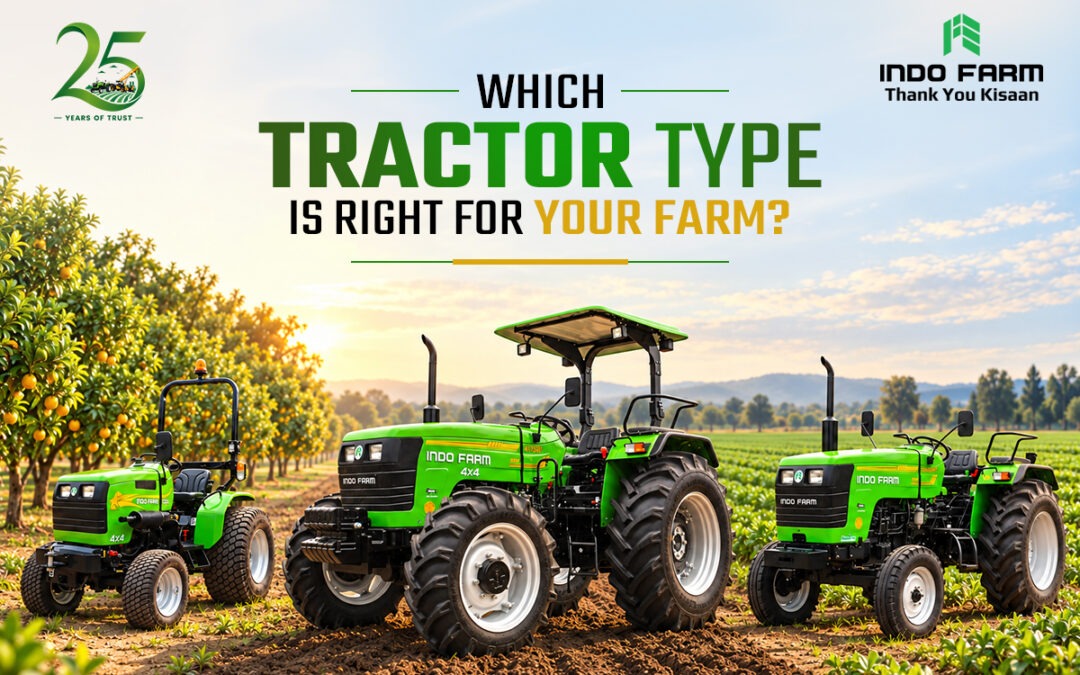
Understanding Compact Tractors for Small Farms: Their Uses & Features
Small farms need practical farming machinery that helps in executing tasks such as ploughing fields, transporting materials, managing orchards and doing inter-row operations. There is a need for machinery that is reliable and versatile at the same time. Thus, compact tractors become a good option to help small farmers perform these farming tasks.
Compact Tractors for Small Farms: Features, Usage and Buying Considerations
Farmers must choose farm machines that are practical in terms of performance without incurring extra operational costs or operating issues in smaller areas. Selecting the right tractor is essential for farmers with little plots of land, small orchards, vegetable patches or multi-crop fields where success with each crop is crucial.
Best Tractor Brands in India for First-Time Tractor Buyers: Key Factors to Consider
If you are a first-time buyer looking to purchase your first tractor, it is important to think about what kind of tractor you want before making a purchase decision. A tractor is not only a farming tool; it is also a long-term financial investment.
Best Tractor Brands in India For Various Agricultural Operations
Buying a tractor is never an easy task for every farmer. It is a highly expensive acquisition that significantly impacts the agricultural yield of the field.
Depending upon the nature of the crop, size of the land, type of implement and other various factors, a farmer needs a suitable tractor that caters to all power and performance demands.
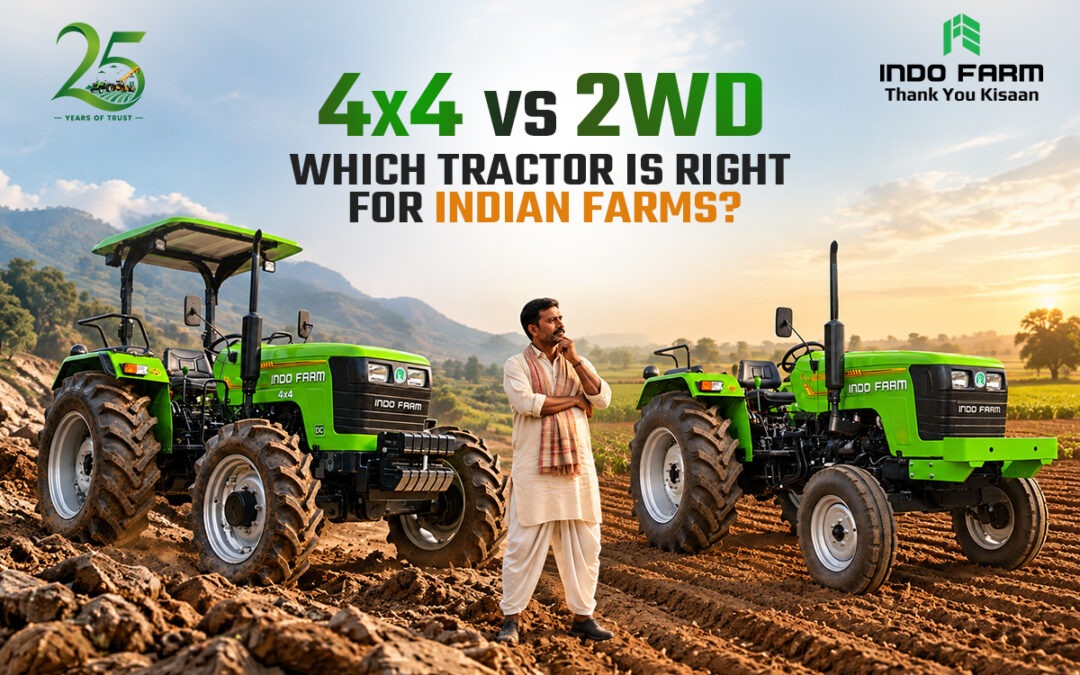
4×4 Tractor Vs 2WD Tractor: Which One Is Better for Indian Farm Conditions?
Indian farming cover types of soil, crops and land shapes. Soil can be dry, sandy, wet or uneven. Some fields are orchards; some are sloped. Farmers need tractors that can work well in these conditions. The choice between a 4×4 tractor and 2WD tractor depends on farming aspects.
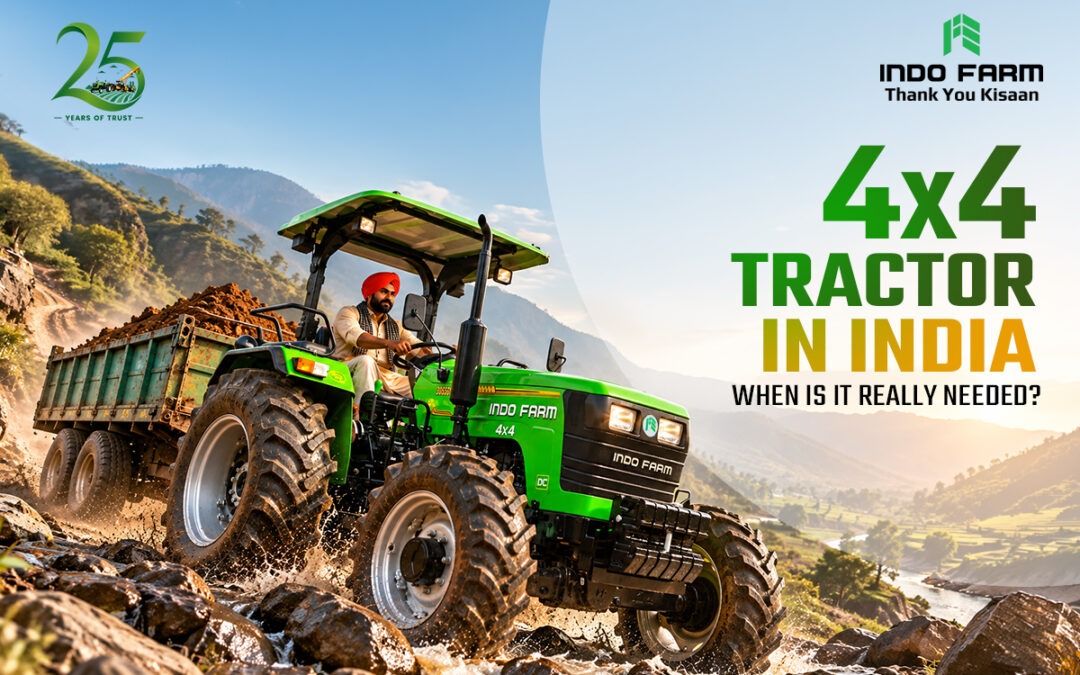
4×4 Tractor in India: When Do Farmers Really Need Four-Wheel Drive?
Indian agriculture involves soil types, different land, different crops and different weather. A tractor that works well on flat land might face different problems in wet, rough or heavy soil. This is where a 4×4 tractor can be helpful. Four-wheel drive gives power to both the back wheels helping improve grip when the field is tough.
Top Tractor Manufacturers in India for Modern Farming and Agricultural Operations
In India modern farming now relies heavily on machines on being efficient and on equipment that can be trusted. As farms aim for productivity tractor has become a vital tool for tasks from preparing soil and sowing seeds to moving goods and helping with harvest.